

Key Points:
- Most outside drain blockages can be cleared safely at home using simple tools and natural cleaning methods.
- Identify who is responsible before starting — homeowners handle private drains, while shared or public drains fall under local water authorities.
- Regular maintenance, such as cleaning drain covers and avoiding grease or wipes, prevents costly blockages.
- DrainBoss offers 24/7 emergency unblocking, CCTV inspections, and fixed-fee drain repairs across Sussex, Surrey, Kent, Hampshire, and South London.
A blocked outside drain is one of those unpleasant surprises every homeowner dreads. It can quickly lead to bad smells, standing water in your garden or driveway, and in severe cases, flooding that may damage walls or foundations. Blockages often occur after heavy rain, when leaves, mud, or other debris collect in the drain and stop water from flowing away as it should.
The good news is that most outdoor drain blockages are not as serious as they seem. With the right tools, a little patience, and a clear understanding of your drainage system, you can often fix the problem yourself without calling for professional help.
In this guide, we will explain everything you need to know about unblocking an outside drain. You will learn how to identify what is causing the blockage, understand who is responsible for fixing it, and follow safe, effective steps to clear it. Whether you are dealing with a minor build-up of leaves or a more stubborn clog, this guide will help you restore your drainage system to full working order.
Understanding Your Outside Drain System
Before you can clear a blockage, it helps to know what kind of drain you are dealing with. Most properties in the UK have two main types of external drainage: surface water drains and foul drains.
Surface water drains carry clean rainwater from roofs, patios, and driveways into the local sewer or soakaway system. These drains are usually connected to the downpipes that collect rainwater from your gutters. Because they only handle rainwater, they should stay relatively clean unless leaves, mud, or debris build up around the grate.
Foul drains, on the other hand, carry wastewater from sinks, toilets, showers, and appliances such as dishwashers or washing machines. This water contains soap, grease, and waste, which means blockages here can be more unpleasant and often smell bad.
There are a few key parts of an outside drainage system worth recognising:
- Manhole (inspection chamber): Provides access to the underground drain for inspection and cleaning. You will often find it covered by a metal or plastic lid on driveways or garden paths.
- Gully trap: A small chamber that connects your household waste pipes to the outside drainage system. It contains a water seal that prevents foul odours from escaping.
- Downspouts (rainwater pipes): Vertical pipes that collect rainwater from roof gutters and lead it into a surface water drain.
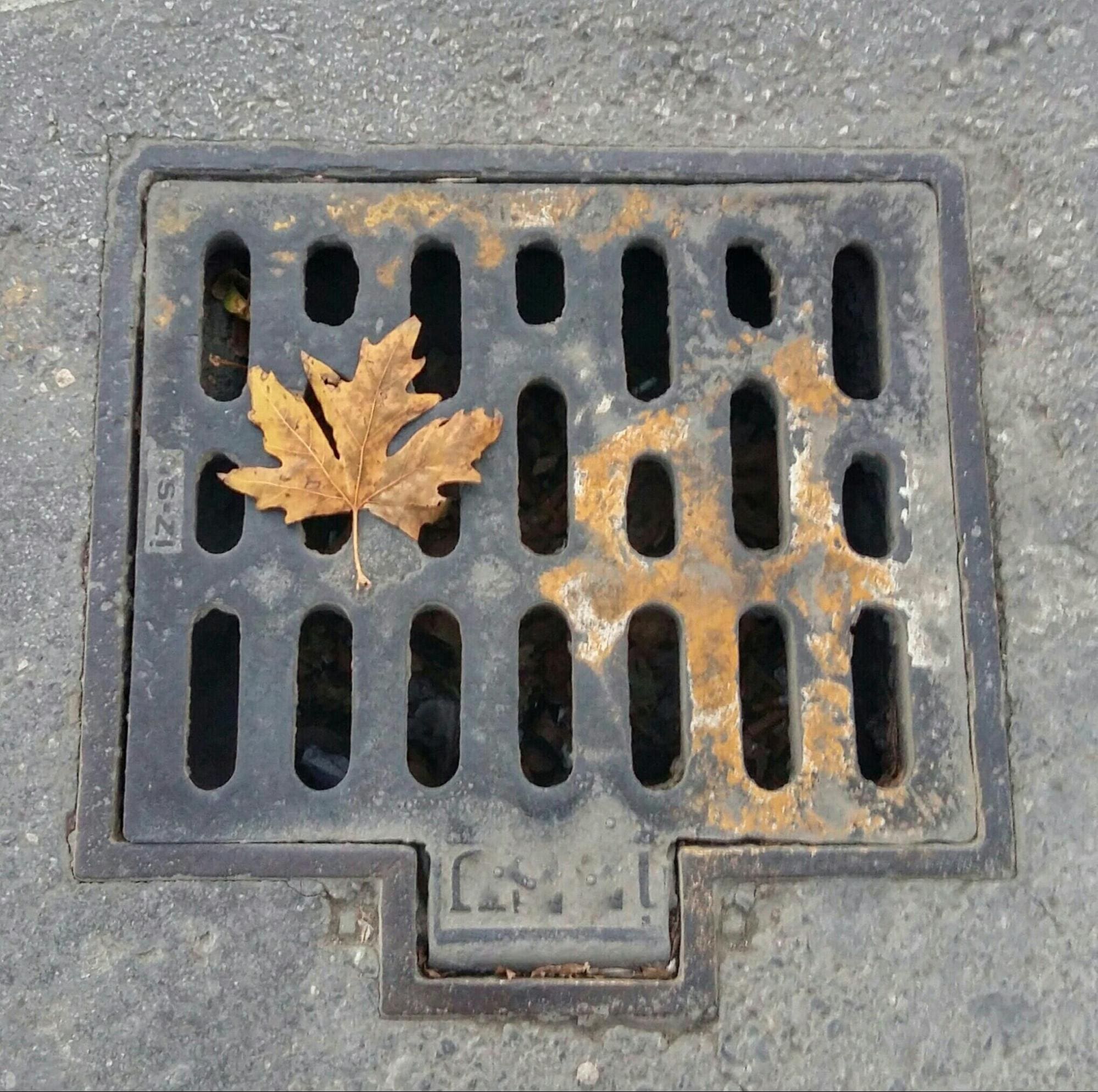
- Drain covers: Protective grates or lids that stop large objects and debris from entering the drain.
To identify which drain is blocked, observe where the problem occurs. If water is backing up near a downpipe after heavy rain, the surface water drain is likely the issue. If your toilets or sinks are draining slowly and you notice an outdoor overflow with a foul smell, the problem is probably in the foul drain.
Understanding the layout and purpose of your drainage system will help you choose the right method to clear the blockage safely and effectively.
Common Causes of Outside Drain Blockages
Outdoor drains are exposed to the elements all year round, so it is easy for debris and waste to build up unnoticed. Understanding what causes blockages will help you prevent them before they become a problem.
There are two main types of causes — those that come from outside the property and those that originate inside the home.
| Source of the blockage | Typical causes | How it affects the drain |
| Outside the property | Leaves, twigs, soil, moss, litter, small stones | These materials collect around drain covers or gullies, reducing water flow and eventually blocking the pipe. |
| Inside the property | Grease, oil, food scraps, wet wipes, hair, soap residue | These substances solidify inside pipes or join the outdoor system through kitchen or bathroom drains, forming stubborn clogs. |
Even a small amount of debris or fat can start a chain reaction that traps more waste, slowing down water flow until the drain stops working altogether.
Regular cleaning and maintenance are the best defences against these issues. Clearing leaves and dirt from drain covers once a month, and using simple drain guards or strainers inside sinks, can dramatically reduce the risk of blockages. These easy habits save time, prevent unpleasant smells, and protect your property from flooding.

Our Services:
Blocked Drains Tunbridge Wells
Identifying the Problem and Responsibility
Before you start any work, it is important to confirm that the issue is actually caused by a blockage and to understand who is responsible for fixing it.
Signs of a blocked outside drain:
- Water collects or overflows around the drain area after rain or when using sinks or toilets
- Gurgling noises come from plugholes or outdoor pipes
- A persistent unpleasant smell near the drain
- Water drains slowly from sinks, baths, or toilets inside the property
If you notice more than one of these signs, there is a good chance the blockage is within your external drainage system.
Checking who is responsible:
In the UK, responsibility for drains depends on their location and ownership.
- If the blockage is within your property boundary, you are responsible for clearing it.
- If it is beyond your boundary or part of a shared system that connects several homes, the responsibility usually lies with your local water and sewerage company.
How to tell if a drain is shared: Shared drains are common in terraced or semi-detached properties. If your neighbours are experiencing the same drainage issues, or if you share an access point such as a manhole, the drain is likely shared. In that case, you should not attempt to fix it yourself, as any action might affect the adjoining properties.
How to find your water company: You can check your property documents or visit the Ofwat website to find which water authority covers your area. Most water companies, such as Thames Water, Anglian Water or Severn Trent, have emergency lines for reporting blocked or overflowing drains. If the problem lies within their responsibility, they will send engineers to investigate and clear it.
Identifying the exact source and ownership of the blockage before you begin will save time, prevent unnecessary work, and ensure the issue is handled by the right people.
Tenant and Landlord Responsibilities
When you rent a property in the UK, knowing who is responsible for drainage maintenance can prevent confusion and disputes. The Landlord and Tenant Act 1985 clearly outlines the duties of both parties when it comes to repairs and essential services.
Under this legislation, landlords are legally required to keep the property’s structure, plumbing, and drainage systems in proper working order. This includes dealing with blocked drains, provided the blockage has not been caused by the tenant’s actions. If the drain becomes blocked due to age, wear, or natural buildup, the landlord must arrange and pay for the repair.
However, there are exceptions. If the tenant has caused the blockage by misuse, they may be held responsible for the cost of clearing it. Common examples include:
- Pouring fats, oils, or food waste down kitchen sinks
- Flushing wet wipes, sanitary products, or other unsuitable items down the toilet
- Allowing large amounts of debris to build up in outdoor areas that lead into drains
If you are a tenant and you suspect a blockage, the best first step is to report the issue to your landlord or letting agent as soon as possible. They can then arrange an inspection and decide whether it falls under normal maintenance or tenant responsibility.
Maintaining good communication and following the correct reporting process helps ensure that drainage problems are handled quickly and fairly for both parties.
Safety and Preparation Before You Start
Before attempting to clear an outside drain, take a few minutes to prepare properly. Working with drains can be messy and sometimes hazardous, so the right safety measures and tools are essential.
Protective gear: Always wear clothing and equipment that will keep you safe and comfortable while you work.
- Heavy-duty rubber gloves
- Safety goggles or glasses to protect your eyes from splashes
- A face mask to reduce exposure to unpleasant odours or airborne bacteria
- Old clothes or overalls that you do not mind getting dirty
- Sturdy waterproof boots for firm footing around wet areas
Useful tools and equipment: Having the correct tools at hand makes the job much easier.
- A flat-head screwdriver or drain lifting key to remove the cover
- A hook or rope for heavier drain lids
- A bucket or heavy-duty bin bags for collecting debris
- A drain rod or plumber’s snake to reach and dislodge blockages
- A garden hose or pressure washer to rinse the area afterwards
Precautions to keep in mind:
- Never stand directly over an open drain, as gases and bacteria can escape when the cover is lifted.
- Avoid using chemical drain cleaners outdoors or in enclosed areas; they can release harmful fumes and damage pipe materials.
- Take care when handling tools around water and ensure the area is well lit and stable before starting.
Good preparation not only keeps you safe but also increases the chances of clearing the blockage quickly and effectively.
Step-by-Step: How to Unblock an Outside Drain Yourself
If you have confirmed that the blockage is on your property and it is safe to tackle, you can usually clear it using a few simple tools and household items. The process requires patience and care, but with the right preparation, you can restore proper drainage without professional help. Follow these detailed steps carefully to ensure a clean and effective result.
Step 1 – Remove the Drain Cover
Start by carefully removing the drain cover to gain access to the blocked area. Use a flat-head screwdriver, lifting key, or a metal hook, depending on the type of cover you have. Cast iron covers, in particular, can be very heavy and may require two people to lift safely. Always keep your hands clear of the edges and avoid standing directly above the drain when lifting, as gases and debris may escape suddenly.
Once the cover is off, place it securely to one side, away from the work area. Take a few minutes to clear away any leaves, soil, or debris that has gathered around the opening — this alone may allow some water to pass through and reveal whether the blockage is deeper in the pipe. If you notice stagnant water sitting at the top, you can use a small container or wet vacuum to remove it before moving on to the next step.
Step 2 – Manual Cleaning
With gloves on, begin by removing as much visible debris as you can by hand. This could include leaves, mud, food waste, or even pieces of plastic and small stones that have washed in from outside. Be thorough but cautious — avoid forcing anything down the pipe, as this could push the blockage further in. Place the waste into a bucket or strong bin bag for safe disposal later.
If the blockage is near the surface, manual cleaning might be all that’s needed. Try scooping out layer by layer until you can see the water begin to drain away. Once you’ve cleared the majority of solid debris, pour a bucket of warm water into the drain to test the flow. If it drains slowly or not at all, it’s time to move on to mechanical cleaning with a drain rod or plumber’s snake.
Step 3 – Use a Drain Rod or Plumber’s Snake
Drain rods are one of the most effective tools for clearing outdoor drains. Insert the rod into the drain slowly, pushing it forward until you meet resistance — this indicates the location of the blockage. Begin rotating the rod clockwise to loosen or break up the obstruction. Avoid turning it anticlockwise, as this can cause the sections of the rod to unscrew and get stuck inside the pipe.
Continue to twist, push, and withdraw the rod several times until the resistance eases. You might hear a gurgling sound or see water begin to flow away once the blockage has been dislodged. It’s a good idea to keep working the rod for a few extra minutes to make sure the entire section of pipe is clear. If the blockage is particularly stubborn, try flushing the drain with warm water between attempts to help soften the material.
Step 4 – Natural Cleaning Solution
After clearing the obstruction, you can clean the pipe naturally using simple household ingredients. Start by boiling a kettle and carefully pouring the hot water into the drain. Next, add one cup of bicarbonate of soda followed by one cup of white vinegar. The two substances will react, creating a fizzing action that helps to break down grease, soap residue, and organic material that may still cling to the pipe walls.
Allow the mixture to sit and work for about an hour. During this time, the reaction will loosen remaining grime and eliminate odours caused by bacteria buildup. After an hour, flush the drain thoroughly with another round of boiling water to wash everything away. This eco-friendly approach not only helps clean the pipes but also maintains a healthy flow without using harsh chemicals that could harm your drainage system or the environment.
Step 5 – Pressure Wash and Rinse
Finally, use a garden hose or pressure washer to give the drain and surrounding area a thorough rinse. Direct the water into the drain to remove any lingering sediment or small fragments that may have settled during cleaning. A pressure washer is particularly effective for flushing away fine dirt and silt that drain rods might not have reached.
Once you’re satisfied that the water is flowing freely, replace the drain cover securely, making sure it sits flush with the surface to prevent future debris from collecting around it. Clean up your tools and wash your gloves and boots thoroughly. Taking the time to rinse the area also helps remove any bacteria or waste residues, leaving your outdoor space fresh, hygienic, and safe.
Comment from DrainBoss: At DrainBoss, we always remind homeowners that patience and safety come first when clearing a drain. Many blockages can be fixed with simple tools, but if the water still doesn’t drain after several attempts, it’s best to call a professional to prevent pipe damage. Our engineers are trained to handle even the toughest outdoor clogs safely and efficiently.
Why You Should Avoid Chemical Cleaners
It may be tempting to reach for a bottle of chemical drain cleaner when faced with a stubborn blockage, but using harsh products outdoors is rarely effective and can cause more harm than good.
Outdoor drainage systems are usually longer and wider than internal pipes, so chemical solutions become diluted before they reach the blockage. This makes them far less effective at breaking down grease, debris, or silt lodged deep in the system.
There are also several risks to consider:
- Pipe damage: Strong chemical cleaners can corrode plastic and metal pipes, especially if used repeatedly.
- Environmental harm: Chemicals flushed through outdoor drains can enter the soil and water systems, harming plants, animals, and aquatic life.
- Health hazards: These substances can irritate the skin, eyes, and respiratory system, particularly when used in confined or windy areas.
A safer and more sustainable approach is to rely on mechanical methods such as drain rods, plungers, or pressure washing. If you prefer a gentler cleaning option, choose biodegradable drain treatments that use natural enzymes or bacteria to break down organic waste without damaging your pipes or the environment.
When to Call a Professional
Sometimes, even with careful cleaning, a blockage may be too deep or complex to clear on your own. Knowing when to stop and seek professional help can prevent further damage to your drainage system.
You should contact a qualified drainage specialist if:
- The blockage keeps returning after you have cleared it
- Water backs up from multiple drains inside or outside the property
- There is flooding, dampness, or water pooling around inspection covers
- You suspect damaged or collapsed pipes
- You notice tree roots, heavy silt, or other obstructions that are beyond reach
Professionals use advanced tools and technology to locate and clear blockages safely. Common methods include:
- CCTV drain inspection: Small cameras are inserted into the pipes to identify the exact cause and location of the problem.
- High-pressure water jetting: A targeted jet of water removes stubborn debris, grease, and roots without damaging the pipe.
- No-dig pipe repair (CIPP): For cracked or broken pipes, specialists can reline the interior without excavation, restoring full function with minimal disruption.
Calling a professional ensures the issue is resolved properly and prevents future blockages caused by hidden or structural damage.
Our Services:

Preventing Future Blockages
Once your drain is clear, a few simple maintenance habits can help keep it that way. Preventing blockages is much easier and cheaper than dealing with them after they occur.
- Check and clean drain covers regularly. Once a month, remove any leaves, soil, or debris that may have collected around the grate. This stops build-up before it becomes a problem.
- Be mindful of what goes down your sinks and toilets. Avoid pouring grease, coffee grounds, or food waste down the sink, and never flush wet wipes, hair, or sanitary items. These materials do not break down easily and can cause solid blockages that extend into outdoor drains.
- Install drain guards or mesh covers. These inexpensive devices prevent debris, stones, and litter from entering the drainage system in the first place.
- Schedule an annual inspection or flush. A professional drain cleaning or pressure wash once a year helps remove minor residue and ensures your system continues to run freely.
Consistent care and attention will protect your property, save money on repairs, and keep your drains flowing smoothly all year round.
Comment from DrainBoss: Regular maintenance is the best way to avoid costly drainage issues. At DrainBoss, we recommend checking your outside drains at least once a month and scheduling a professional inspection every year. A quick prevention routine now can save you from major repairs later.
Conclusion
Most outside drain blockages can be cleared safely and effectively with a bit of care, patience, and the right approach. By working methodically and following safety precautions, homeowners can often restore proper drainage without the need for extensive repairs. Regular maintenance, such as cleaning drain covers and avoiding the disposal of grease or wipes, is the best way to keep your system in good condition and prevent future issues. Clean drains not only protect your home from flooding and unpleasant smells but also bring peace of mind that everything is flowing as it should.
If you find that the problem is more serious or needs urgent attention, DrainBoss Plumbing & Drainage is here to help. As a trusted, family-run company serving Sussex, Surrey, Kent, Hampshire and South London, we provide 24/7 emergency drain clearance with no call-out charge and fixed, transparent pricing. Our fully trained technicians use the latest equipment for unblocking, repairs and CCTV surveys, ensuring lasting results. Contact our friendly team on 0330 223 5789 or email service@drainboss.co.uk to book a free consultation and receive a 5% discount for OAPs and NHS workers.
FAQs: How to Unblock a Drain Outside
How can I tell if my outside drain is blocked?
A blocked outside drain often shows several clear warning signs. You may notice water pooling around the drain, slow drainage from sinks or toilets, or a strong unpleasant smell near your property. Gurgling sounds from plugholes or bubbling in toilets can also indicate that water is struggling to flow through the pipes. If you spot more than one of these symptoms, it’s likely that your outside drain is partially or fully blocked.
Who is responsible for fixing a blocked outside drain in the UK?
Responsibility depends on where the blockage is located. If it lies within your property boundary and serves only your home, you are responsible for clearing it. However, if the drain is shared with neighbours or located beyond your boundary, your local water and sewerage company must deal with it. You can check your water authority’s website or contact them directly to confirm who should handle the issue.
Can I use bleach or chemical drain cleaners outside?
Using chemical cleaners on outdoor drains is not recommended. These products quickly dilute in longer exterior pipes, so they rarely reach the blockage effectively. They can also corrode pipework, release harmful fumes, and pollute nearby soil or waterways. For a safer and more effective approach, use mechanical tools like drain rods or a pressure hose, or choose biodegradable cleaning solutions.
How often should I clean my outside drains?
It’s a good idea to inspect and clean your outside drains every month, especially during autumn when leaves and debris can quickly build up. Regular cleaning prevents blockages from forming and helps you spot early signs of damage. In addition, arranging a professional inspection or high-pressure clean once a year keeps the system running efficiently and extends the life of your drainage pipes.
What should I do if DIY methods don’t clear the blockage?
If you’ve followed all the basic steps and the blockage still won’t clear, it may be deeper in the system or caused by structural damage. In that case, contact a professional drainage specialist who can carry out a CCTV survey to locate the problem. They can then use high-pressure jetting or no-dig repair techniques to fix it properly. Acting quickly prevents the issue from worsening and helps avoid costly repairs later on.





2 responses
★★★★★
I didn’t realise how much responsibility depends on whether a drain is private or shared. The section on checking boundaries and neighbours makes sense, especially for older or terraced properties. I’ve probably tried to fix things in the past that weren’t actually mine to deal with.
★★★★★
The step-by-step part reflects pretty closely what I’ve tried myself, including the messier bits. Good reminder about avoiding chemicals outside, as that’s usually the first thing people reach for. It’s also clear where DIY should stop before causing more problems.