Which Parts of Your Outdoor Drainage System Should Be Checked Before Storm Season?
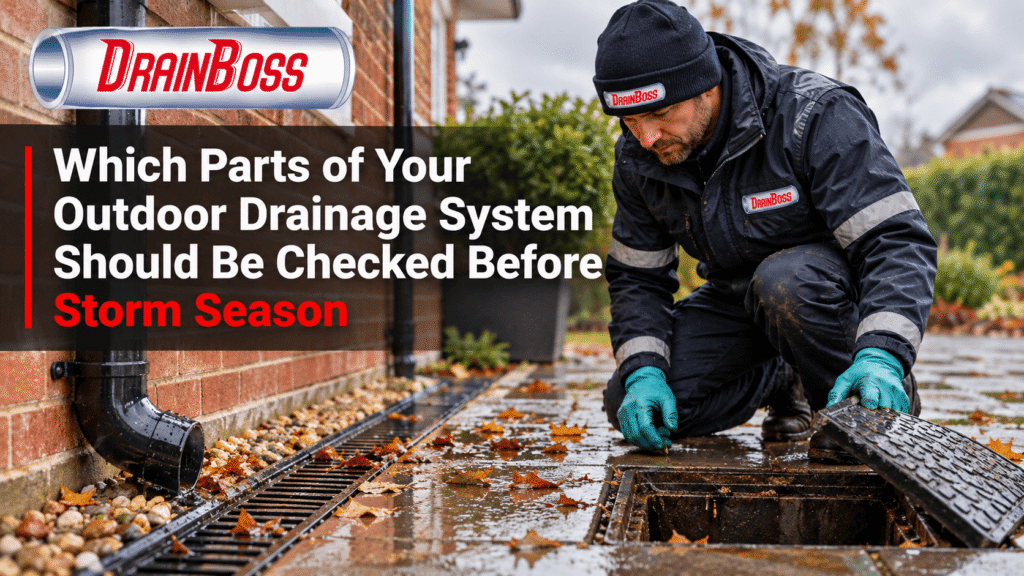
Key Points: Check gutters, downpipes, outdoor gullies, drainage channels and soakaways before storm season to reduce the risk of blockages and flooding. Watch for slow drainage, recurring overflows, standing water and damaged pipes that may indicate hidden drainage problems. Regular maintenance and professional inspections help identify drainage issues before heavy rainfall puts additional pressure on […]
How a Blocked Culvert Increases the Risk of Property Flooding
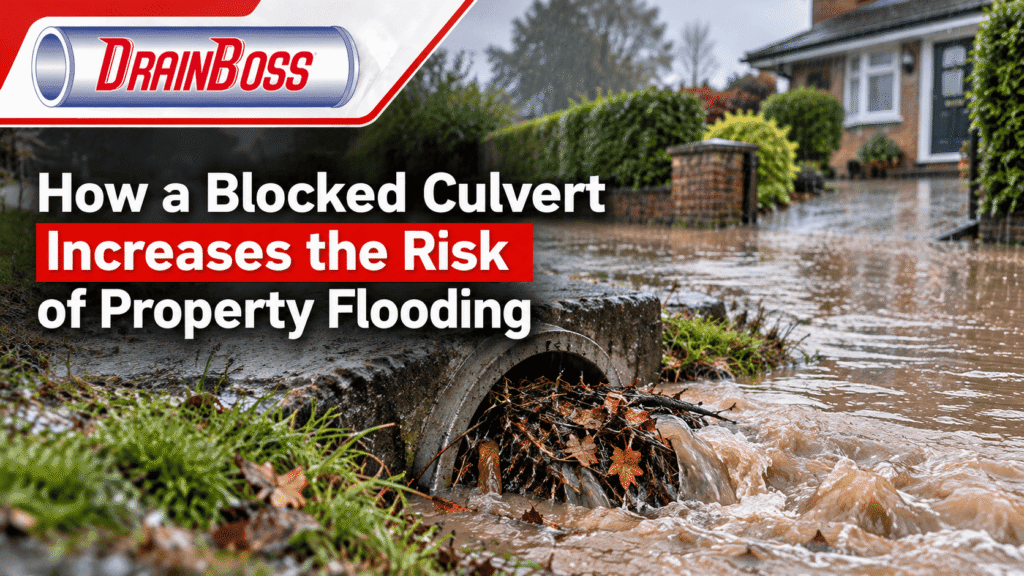
Key Points: Blocked culverts restrict water flow, causing upstream water levels to rise and increasing the risk of property flooding during heavy rainfall. Leaves, sediment, rubbish and structural damage are common causes of culvert blockages, while recurring flooding may indicate insufficient drainage capacity. Culvert maintenance responsibilities in England generally depend on land ownership, watercourse classification […]
How to Protect Your Home from Flooding During Heavy Autumn Rain
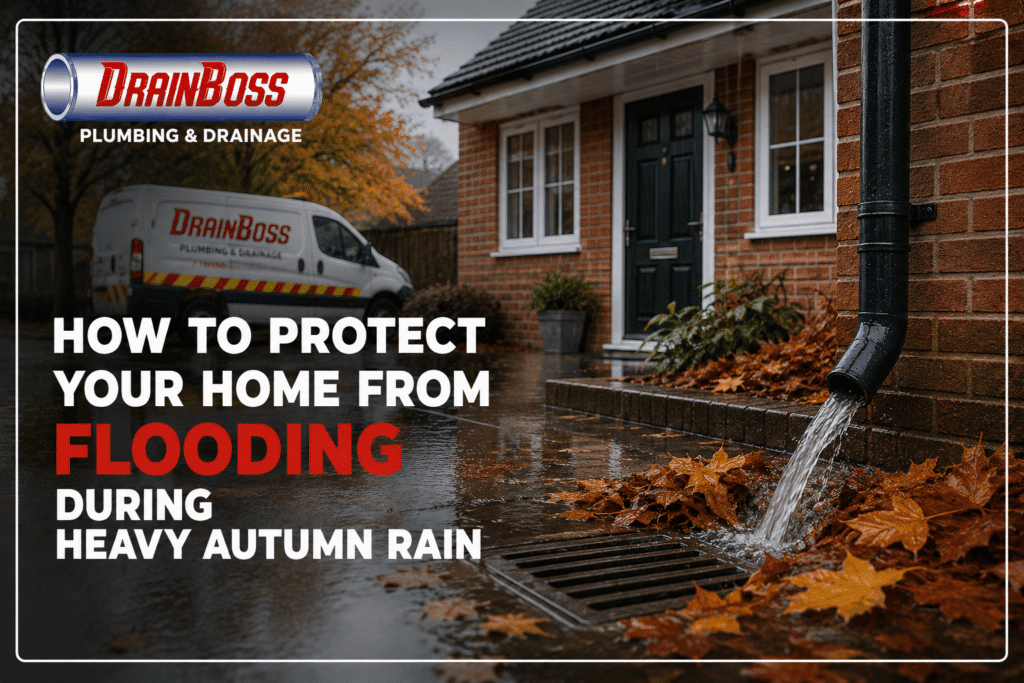
Key Points: Heavy autumn rain can overwhelm surface water drainage, especially when soil is saturated and runoff increases from roofs, driveways and patios. Keeping gutters, downpipes, gullies and external drains clear helps reduce avoidable water build-up around the property. Recurring pooling, overflowing drains or wastewater backing up can indicate a blockage, restricted capacity or a […]
How a Drain Rat Blocker Works and When It Should Be Installed
Key Points: A drain rat blocker creates a one-way barrier that allows wastewater to leave while preventing rats from travelling upstream through the same pipe. Correct placement, pipe size and flow direction are critical to effective rat blocker installation and normal drainage performance. CCTV drain inspection can help confirm the access route and identify cracks, […]
How Falling Leaves Cause Blocked Gutters and Drainage Systems
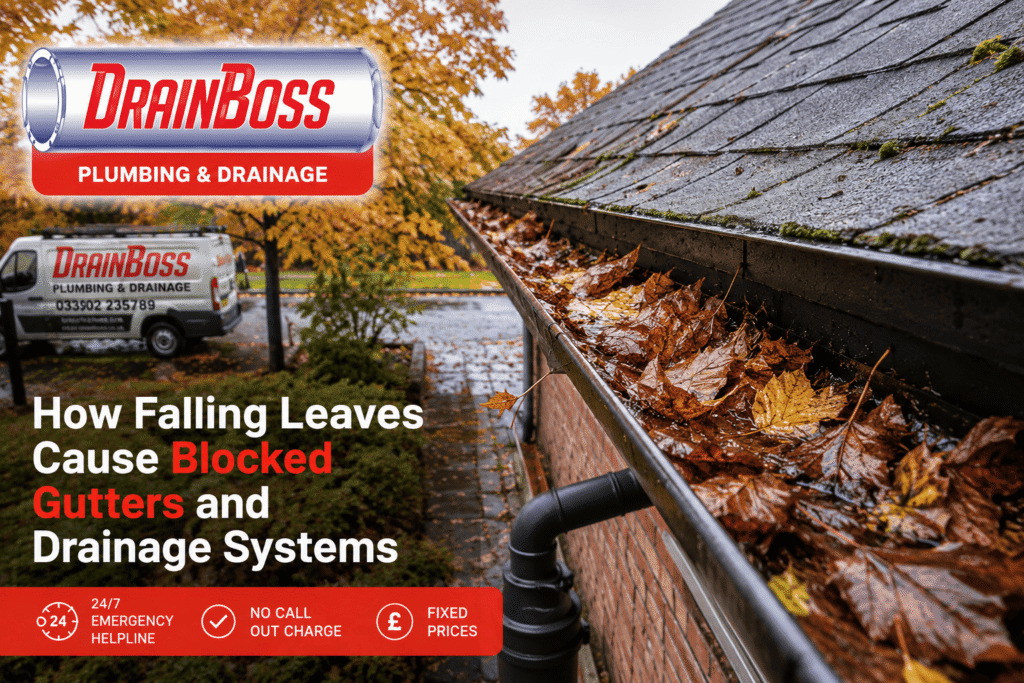
Key Points: Falling leaves can block gutters, downpipes, gullies and surface water drains, especially when mixed with silt, moss and other debris. Leaf blockages can cause overflowing gutters, standing water and localised flooding during periods of heavy rainfall. Regular autumn checks and removal of leaves around gutters and outdoor drains can reduce the risk of […]
When Professional Flood Water Pumping Is Required After Heavy Rain
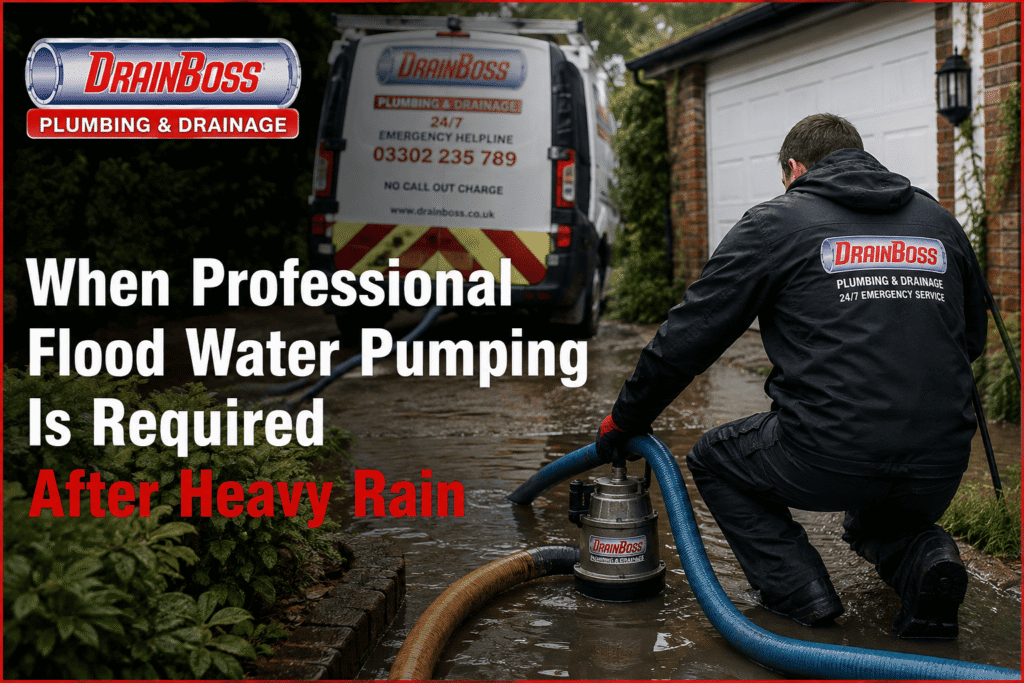
Key Points: Professional flood water pumping is most appropriate when water is rising, entering buildings, failing to drain naturally, or may be contaminated. Heavy rain can expose hidden drainage problems such as blocked gullies, silt build-up, damaged pipes, root intrusion, or failed pumps. Removing standing water does not always solve the cause, so drain clearance, […]
Blocked Downpipe: Common Causes, Warning Signs and Safe Solutions
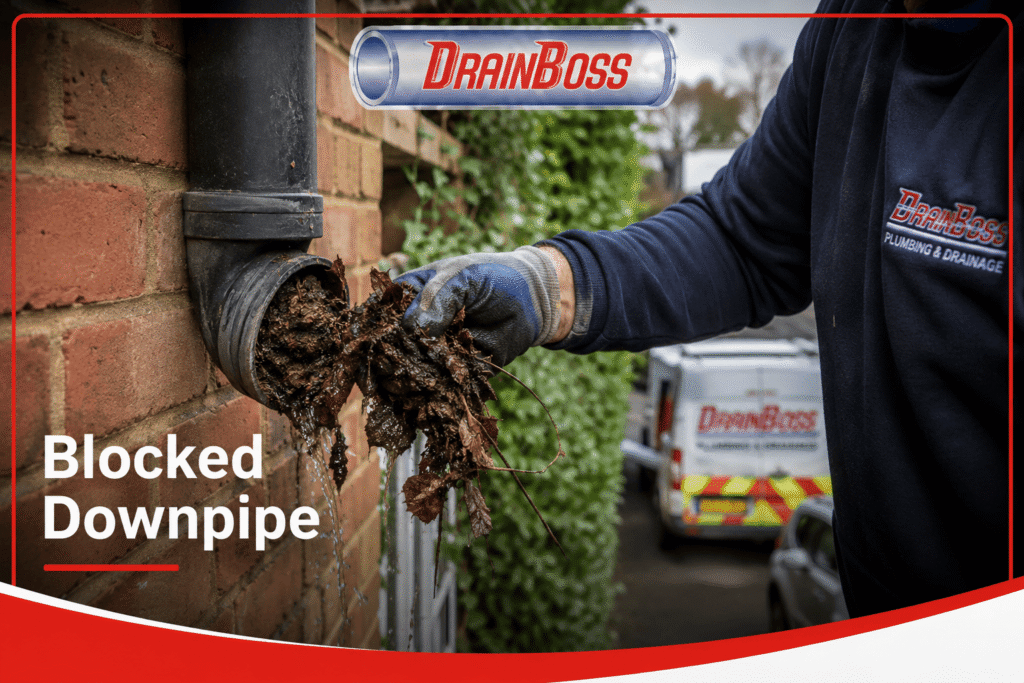
Key Points: Most blocked downpipes are caused by leaves, roof moss, silt or debris, but recurring problems may indicate a blocked gully or underground surface water drain. Early warning signs such as overflowing gutters, standing water and damp external walls should be investigated before they lead to more extensive property damage. Safe clearance begins with […]
Why Do My Drains Keep Blocking? Causes of Recurring Drainage Problems
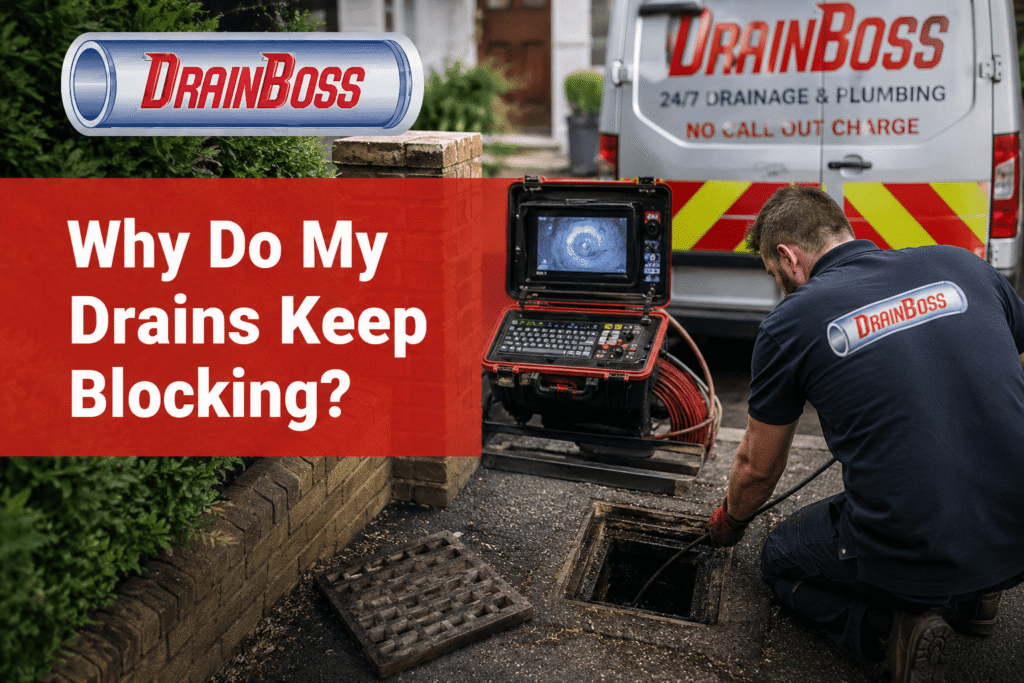
Key Points: Recurring drain blockages are usually caused by an underlying issue, such as grease build-up, tree root intrusion, damaged pipework or poor drainage design, rather than a new blockage. Warning signs like repeated blockages, slow drainage, gurgling sounds and bad odours often indicate that professional investigation is needed. High-pressure water jetting, CCTV drain surveys […]
What Not to Put Down Your Drains
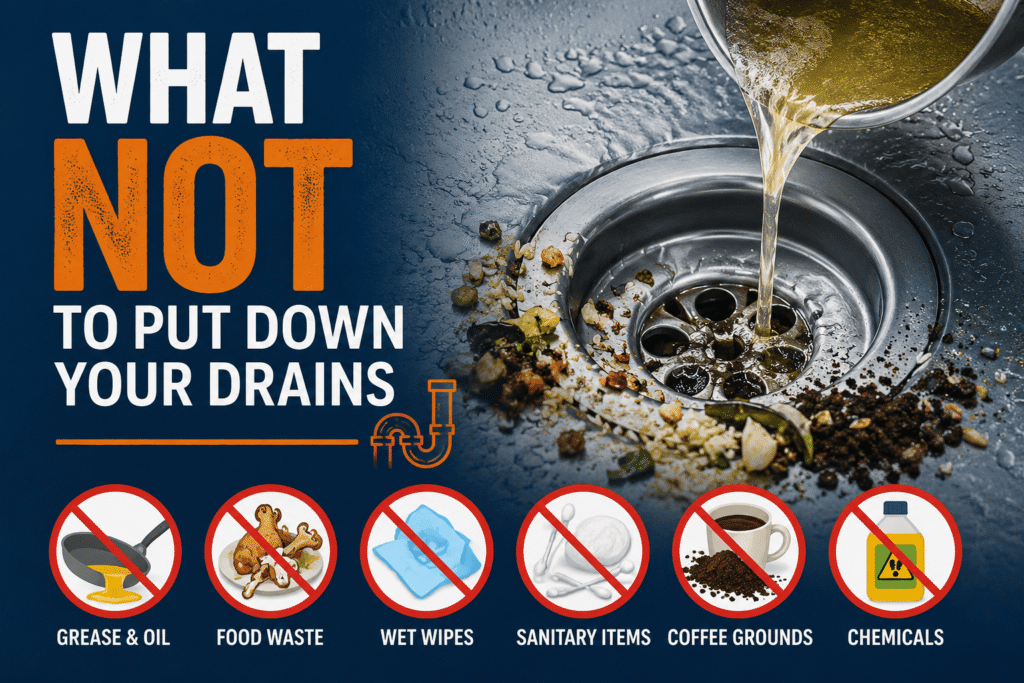
Key Points: Fat, oil, grease, food waste, wet wipes and other everyday household items are among the most common causes of blocked drains. Many substances that appear harmless can accumulate inside pipework over time, leading to slow drainage, unpleasant odours and recurring blockages. Proper waste disposal and simple preventative measures can significantly reduce the risk […]
Why Is My Toilet Bubbling or Gurgling?
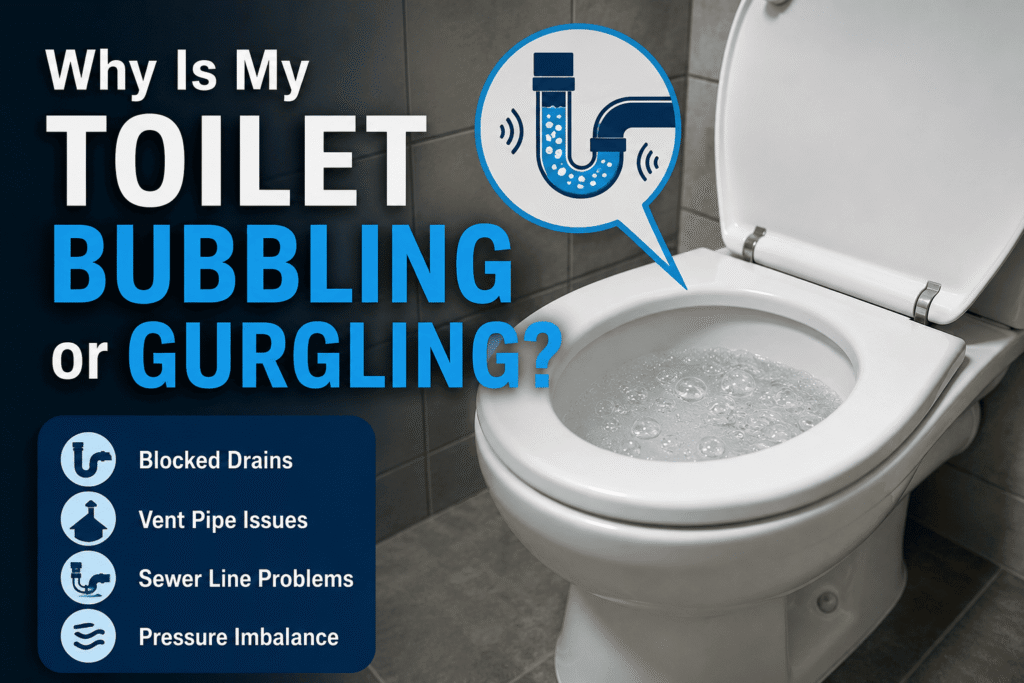
Key Points: Toilet bubbling and gurgling are often early warning signs of drainage or ventilation problems rather than faults with the toilet itself. Partial blockages, blocked vent pipes and restrictions in the main drain are among the most common causes of recurring gurgling noises. Additional symptoms such as slow drainage, foul odours, fluctuating water levels […]