

Key Points:
- Many sink blockages can be cleared safely at home when the problem is local and identified early.
- Using the correct tool for the type of blockage is essential, as there is no universal solution.
- Repeated blockages, odours, or slow drainage in multiple fixtures indicate a deeper drainage issue.
- Professional inspection and cleaning often prevent costly repairs caused by prolonged DIY attempts.
Blocked sinks are one of the most common plumbing problems in UK homes. Slow drainage, standing water, or unpleasant odours usually develop when grease, food waste, hair, or soap residue builds up inside the waste pipe. In many cases, the blockage is local and forms gradually, which is why it often catches homeowners by surprise.
The good news is that many sink blockages can be dealt with safely without professional help, as long as the issue is limited to one fixture, the right tools are used, and there are no signs of a deeper drainage fault. This guide explains the most effective tools for unblocking your own sink, when they work best, and where the DIY approach should stop to avoid causing further damage.
At a Glance – Tools You Can Use to Unblock a Sink
If your sink is draining slowly or has stopped altogether, the following tools and methods are commonly used to deal with household blockages. Each works best in specific situations, depending on what is causing the obstruction.
- Plunger – creates suction and pressure to dislodge trapped debris close to the plughole
- Wire coat hanger – a simple improvised tool for removing shallow hair and solid debris
- Plastic drain snake or hair remover – designed to hook and pull out hair and soft build-up from bathroom sinks
- Boiling water – helps loosen grease and soap residue inside metal pipework
- Baking soda and vinegar – a mild chemical reaction that can break down light build-up and neutralise odours
- Salt-based methods – useful for mild grease-related blockages and ongoing maintenance
- Wet and dry vacuum – can sometimes pull out stubborn blockages when a proper seal is achieved
- Chemical drain cleaners – formulated to dissolve organic matter, but should be used carefully and sparingly
Further sections explain when each option is appropriate, how to use it correctly, and the situations where these DIY tools are unlikely to resolve the problem.
What Causes Sink Blockages in the First Place?
Before choosing a tool or method, it is important to understand what is actually causing the blockage. Kitchen and bathroom sinks block for different reasons, and using the wrong approach often leads to poor results or repeated problems.
Common causes in kitchen sinks
Kitchen sink blockages usually develop gradually as everyday waste passes through the pipework.
- Grease and fat build-up. Cooking oils and fats cool inside the pipe and stick to the inner walls, trapping other debris over time.
- Food debris. Small food particles such as rice, pasta, coffee grounds, and vegetable peelings can collect in the trap and restrict flow.
- Soap residue mixed with oils. Washing-up liquid and detergents can combine with grease, forming a sticky layer that narrows the pipe diameter.
Common causes in bathroom sinks
Bathroom blockages tend to form closer to the plughole and are often quicker to develop.
- Hair accumulation. Hair binds together easily and traps soap residue, creating dense clogs just below the waste.
- Toothpaste and grooming products. These products can dry out inside the pipe, gradually hardening and restricting water flow.
- Soap scum. Soap reacts with minerals in water, leaving a residue that builds up along the pipe walls.
Sink blockage causes at a glance
| Sink type | Typical cause | How blockages form |
| Kitchen sink | Grease and fat | Cools and hardens, trapping debris |
| Kitchen sink | Food waste | Collects in trap and bends |
| Kitchen sink | Soap and detergent residue | Bonds with oils and narrows pipe |
| Bathroom sink | Hair | Tangles and binds with soap residue |
| Bathroom sink | Toothpaste and grooming products | Hardens and sticks to pipe surfaces |
| Bathroom sink | Soap scum | Gradual build-up on pipe walls |
Editorial note: The type of blockage determines the correct tool. A method that works well for hair in a bathroom sink may be ineffective against grease in a kitchen drain. There is no universal solution, which is why identifying the cause is the most important first step before attempting any DIY unblocking.
Our Services:
Before You Start – Safety and Preparation
Before attempting to unblock a sink, a few basic preparation steps can make the process safer and more effective. Skipping these precautions is one of the main reasons DIY attempts fail or cause additional problems.
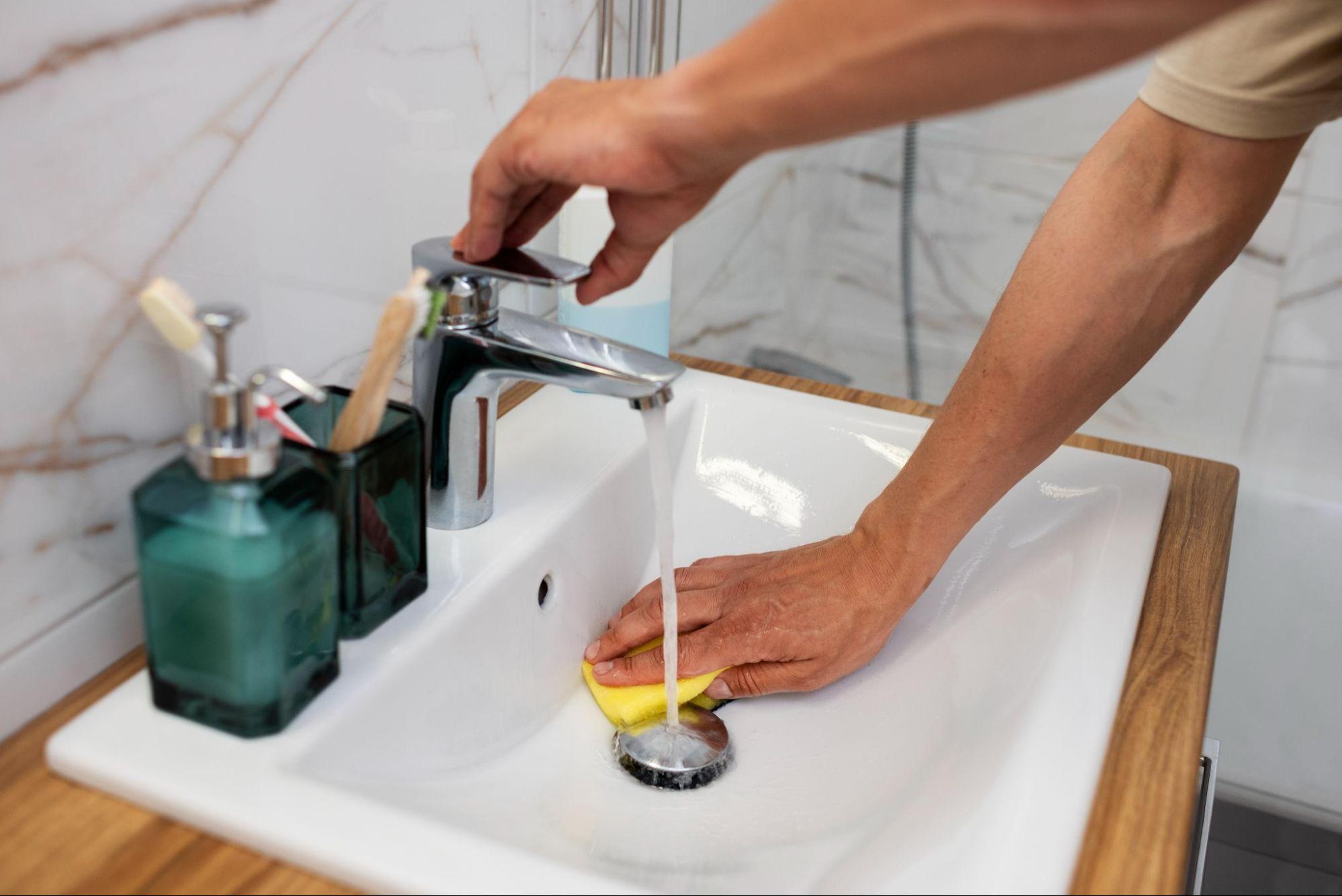
Start by removing any standing water from the sink. This allows tools and cleaning methods to reach the blockage directly, rather than being diluted or blocked by pooled water. Use a cup, jug, or sponge and dispose of the water carefully.
Never mix chemical drain cleaners with natural methods such as baking soda and vinegar, or with household products like bleach. Combining different substances can trigger dangerous chemical reactions, release harmful fumes, and damage pipework. If one method has already been used, flush the system thoroughly with clean water before trying another.
Always protect your hands and eyes. Wear rubber gloves to avoid contact with debris, bacteria, or cleaning agents, and use eye protection if there is any risk of splashing. Even mild blockages can release unpleasant or contaminated water when disturbed.
Avoid the temptation to try multiple methods one after another without a clear plan. Randomly switching tools or chemicals often pushes the blockage deeper into the pipe or worsens the build-up. A targeted approach based on the likely cause of the blockage is far more effective and reduces the risk of turning a minor issue into a more serious drainage problem.
Mechanical Tools You Can Use Yourself
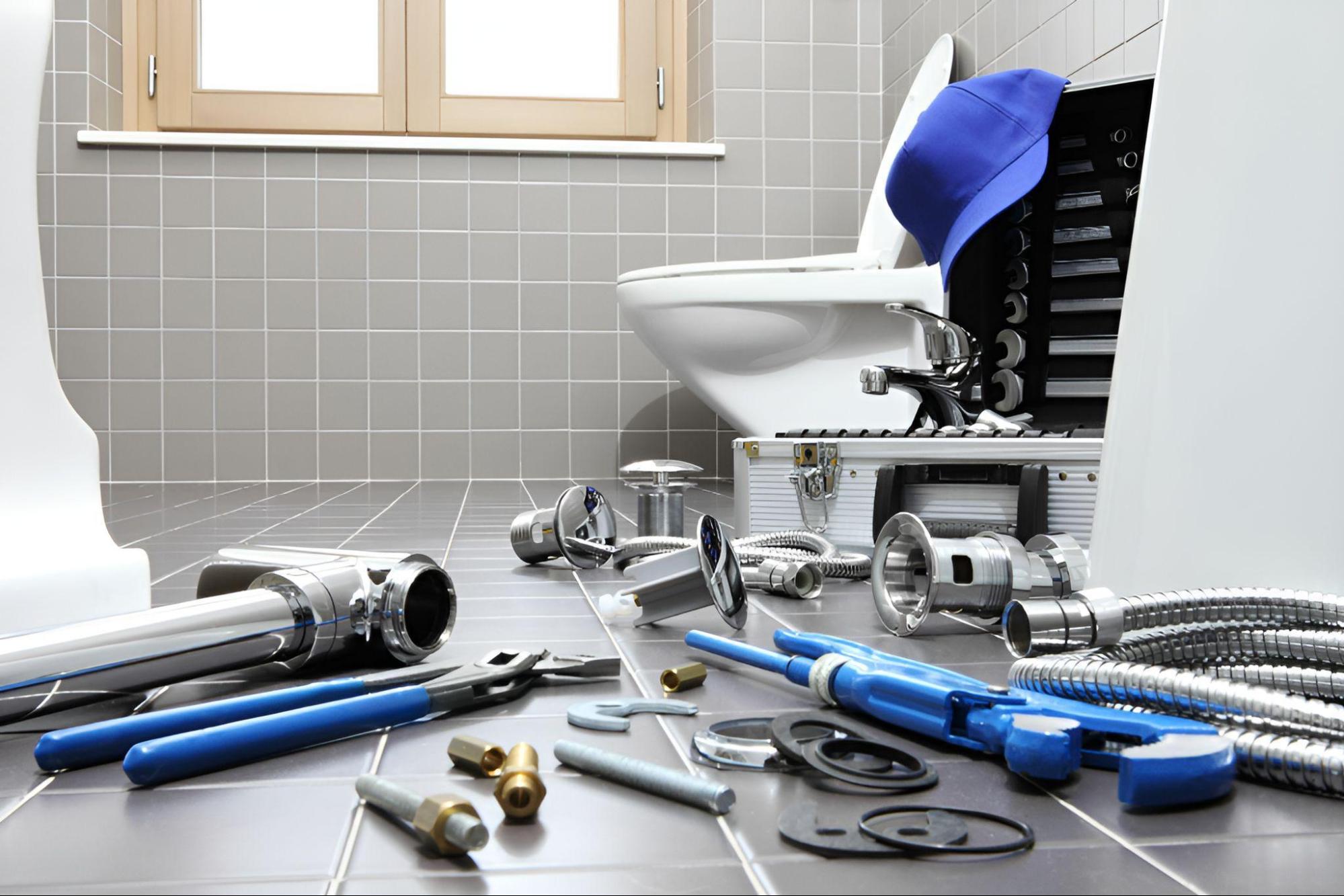
Mechanical tools are often the most effective option for clearing local, physical blockages in sinks. They work by applying pressure or by physically removing debris, rather than relying on chemical reactions. When used correctly, these tools are safe for most household pipework and give immediate feedback on whether progress is being made.
Plunger
A plunger works particularly well in sinks because many blockages sit close to the plughole or within the trap. The rapid change in pressure helps loosen debris and pull it back towards the surface.
To create the right pressure, there must be an airtight seal around the plughole. Add a small amount of water to the sink if it is empty, as this helps maintain suction. Place the plunger firmly over the drain and use short, controlled thrusts rather than slow movements. The aim is to create pressure changes, not just force water down the pipe.
Common mistakes reduce effectiveness. Leaving the overflow opening uncovered allows air to escape and prevents pressure from building. Using excessive force can also splash contaminated water out of the sink without improving results. In double-bowl sinks, the second drain must be sealed to avoid losing suction.
Wire Coat Hanger (DIY Solution)
A wire coat hanger can be useful when the blockage is shallow and made up of solid debris or hair, particularly in bathroom sinks. It is best used when you suspect the obstruction is just below the plughole.
To make a simple tool, straighten the hanger and bend a small hook at one end. Insert it carefully into the drain and use gentle twisting or lifting motions to catch and remove material. The goal is to pull debris out, not push it further down.
This method has clear limitations. A coat hanger cannot reach deep into pipework and is ineffective against grease-based blockages. It also requires care to avoid scratching fittings or damaging older pipes, especially if excessive force is used.
Plastic Drain Snake or Hair Removal Tool
Plastic drain snakes are specifically designed for removing hair and soft build-up from bathroom sinks. They are flexible enough to follow bends in the pipe while still gripping debris effectively.
Unlike metal cables, plastic tools are lightweight and have small barbs that catch hair without scraping the pipe walls. This makes them safer for modern plastic pipework and ideal for routine bathroom maintenance.
Because they are not rigid or motorised, plastic drain snakes carry a minimal risk of pipe damage when used correctly. Their main limitation is strength. They are not suitable for heavy grease build-up or compacted debris in kitchen sinks, but they perform very well for the type of blockages commonly found in bathrooms.
Natural Cleaning Methods for Mild Blockages
Natural cleaning methods are best suited to early-stage or light blockages where water still drains, even if slowly. They are generally low risk and useful as maintenance tools, but they have clear limits and should not be expected to resolve severe or compacted obstructions.
Boiling Water
Boiling water can be effective when the blockage is caused by grease, fats, or soap residue. Heat helps soften and loosen these materials, allowing them to move further along the pipe and restore normal flow. It works best in kitchen sinks with metal pipework and as a first step before using other methods.
There are situations where boiling water should be avoided. Very hot water can soften or distort PVC pipes, particularly in older installations or where joints and seals have already weakened. In these cases, hot tap water is a safer alternative, even though the effect may be more limited.
Baking Soda and Vinegar
When combined, baking soda and vinegar create a fizzing reaction that helps loosen light build-up inside the pipe. This reaction can break down soft residue, reduce odours, and improve flow in sinks that are draining slowly rather than completely blocked.
This method is most suitable for minor organic build-up, such as soap residue or light grease. It does not dissolve hair clumps or hardened fat deposits, and it will not clear deep or compacted blockages.
The effect is often temporary because the reaction does not remove all material from the pipe walls. Without proper flushing or mechanical removal, residue can quickly reform in the same area.
Salt and Hot Water
Salt combined with hot water acts as a mild abrasive and flushing agent. It can help disturb light grease build-up and freshen the pipe, particularly in kitchen sinks used frequently for cooking.
This approach works best as a supporting method, rather than a primary solution for an existing blockage. Regular use can help slow down the formation of build-up, but it is far more effective as a preventative measure than as a cure for established obstructions.
Chemical Drain Cleaners – What You Need to Know
Chemical drain cleaners are often seen as a quick fix, but they need to be used carefully. Most products fall into two categories. Oxidising cleaners generate heat to break down organic matter such as grease and food residue, while caustic cleaners react with fats and soft debris, allowing them to be flushed away.
These products are only suitable for minor blockages where water is still draining and the build-up is relatively soft. They are not effective against solid obstructions, hair clumps, or repeated blockages in the same location.
There are important risks to consider. Chemical cleaners can damage seals and joints, speed up pipe wear, and often clear only a small path through the blockage. This can create the impression that the problem has been solved, while most of the build-up remains. Repeated use usually worsens the situation, leading to faster re-blocking and increased risk of pipe damage.
DrainBoss Commentary: At DrainBoss, we frequently attend properties where repeated use of chemical cleaners has weakened seals or damaged pipe joints. These products can appear effective at first, but they rarely remove the full build-up inside the pipe. In many cases, the long-term cost of repairs outweighs the short-term convenience.
Advanced DIY Tools – With Clear Limitations
Some homeowners attempt more advanced DIY solutions when basic tools fail. While these can work in specific situations, their limitations need to be clearly understood to avoid damage or safety risks.
Wet & Dry Vacuum
A wet and dry vacuum can sometimes help with a sink blockage by pulling debris out rather than pushing it further down the pipe. It may be effective when the obstruction is loose, close to the plughole, and made up of soft material such as hair or food residue. Achieving a tight seal over the drain opening is essential for any chance of success.
A standard household vacuum cleaner should never be used for this purpose. Ordinary vacuums are not designed to handle liquids and can present serious electrical and safety hazards if water enters the system. Only equipment specifically rated for wet use is suitable.
Even with the correct vacuum, effectiveness is limited. This method cannot remove compacted grease, solid objects, or deep blockages within the pipework. At best, it offers a short-term solution for shallow obstructions and should not be relied on where drainage problems are persistent or recurring.
Our Services:
Tools You Should NOT Use Without Professional Training
Some tools are widely available to buy or rent, but that does not mean they are safe to use without proper training. In many cases, these tools turn a simple sink blockage into pipe damage that requires repair rather than cleaning.
- Motorised metal drain cables. These machines have the power to break through blockages, but without experience they are easy to control incorrectly. They can scrape pipe walls, damage joints, or punch through weakened sections of pipework, especially in older systems.
- Domestic high-pressure cleaning devices. Home versions of pressure-based drain cleaners lack the control and flow regulation of professional jetting equipment. Excessive pressure in the wrong area can force water into joints, dislodge connections, or cause leaks behind walls or under floors.
- Acid-based drain products. Acidic solutions are extremely aggressive and can rapidly degrade seals, traps, and pipe linings. They also present serious health risks if splashed or inhaled and can react dangerously with residues from previous cleaning attempts.
These tools often fail because they treat the blockage blindly. Instead of removing the cause, they increase stress on the pipework and expose existing weaknesses. What begins as a routine blockage can quickly become a cracked pipe, a failed joint, or a hidden leak that requires professional repair.

How to Unblock a Bathroom Sink vs a Kitchen Sink
Bathroom and kitchen sinks block for different reasons, even though some unblocking methods appear similar. The key distinction lies in what gets trapped and where the blockage forms, which directly affects how effective a DIY approach will be.
Key differences to consider:
- Bathroom sink blockages are usually caused by hair mixed with soap residue and tend to form close to the plughole or trap
- Kitchen sink blockages are more often linked to grease, fats, and food debris, building up further along the waste pipe
- Mechanical tools such as plungers and plastic drain snakes are often more effective in bathrooms due to the shallow nature of the blockage
- Natural cleaning methods may help soften grease in kitchen pipes but have limited impact on hair-based bathroom clogs
- The same method can appear to work in both cases, but the result often differs because the underlying material and pipe conditions are not the same
Choosing a method that matches the sink type reduces repeat blockages and avoids unnecessary stress on the pipework.
Signs the Problem Is Bigger Than a Simple Sink Blockage
Some drainage issues go beyond a local obstruction in a single sink. When certain warning signs appear, DIY tools are unlikely to provide a lasting solution and may even make the situation worse.
- Recurring blockages. If the same sink blocks again shortly after being cleared, it often indicates deeper build-up or a structural issue within the pipework.
- Unpleasant smells and gurgling sounds. Persistent odours or bubbling noises suggest trapped waste or air movement caused by restrictions further along the drainage system.
- Slow drainage in multiple fixtures. When water drains slowly in more than one sink, or affects nearby appliances, the problem is usually located beyond the individual waste pipe.
- Water backing up. Water returning through the plughole or appearing in another fixture points to a more serious obstruction that requires professional equipment to resolve safely.
These signs indicate that the blockage is part of a wider drainage issue, where accurate diagnosis and specialist tools are needed to prevent damage and restore proper flow.
DrainBoss Commentary: Our engineers often find that recurring sink blockages are symptoms of wider drainage issues rather than isolated faults. Early professional assessment, especially using CCTV inspection, prevents unnecessary damage and disruption. Addressing the cause early is almost always simpler and more cost-effective than waiting for a full failure.
Why Professional Drain Tools Work Differently
Professional drainage tools are designed not just to restore flow, but to identify and remove the underlying cause of a blockage. This is the key difference between professional intervention and DIY methods.
A CCTV drain inspection allows the condition of the pipe to be assessed from the inside. Using specialist cameras, technicians can see exactly where the blockage is, what it is made of, and whether there are contributing factors such as pipe damage, root intrusion, or heavy scale build-up. This removes guesswork and ensures the correct method is used from the outset.
High-pressure water jetting works by thoroughly cleaning the internal walls of the pipe. Instead of creating a small channel through the blockage, jetting removes grease, scale, and debris along the full diameter of the pipe. This restores proper flow and significantly reduces the likelihood of the problem returning.
DIY methods tend to treat the symptoms rather than the cause. They may improve drainage temporarily, but often leave material behind or push it further along the system. Professional tools address the full extent of the issue, providing a longer-lasting and more reliable result.
How to Prevent Sink Blockages in the Future
Preventing sink blockages is far easier than dealing with them once they occur. A few simple habits can significantly reduce the build-up of waste inside your pipework and help maintain steady drainage.
- Use strainers and traps. Fit sink strainers or waste guards to catch food scraps and hair before they enter the pipe. This is one of the most effective ways to prevent blockages in both kitchens and bathrooms.
- Carry out regular maintenance. Periodically flushing sinks with hot tap water helps slow the build-up of grease and soap residue. Light preventative cleaning is more effective than waiting for drainage to slow.
- Dispose of fats and oils correctly. Never pour cooking fats or oils down the sink. Allow them to cool and dispose of them in the bin, as even small amounts can harden inside the pipe and attract other debris.
- React early to warning signs. Slow drainage, minor odours, or occasional gurgling are early indicators of a developing problem. Addressing these signs promptly reduces the risk of a full blockage forming later.
Consistent prevention protects your pipework, reduces the need for chemical cleaners or emergency call-outs, and helps your drainage system function reliably over the long term.
Final Thoughts – When DIY Tools Are Enough (and When They Aren’t)
DIY tools are most effective at the early stage of a blockage, when the problem is local and caused by light build-up. Used correctly, they can restore flow and delay the need for further intervention. However, when blockages keep returning, this is a clear signal that the issue runs deeper. Repetition almost always points to underlying build-up, pipe defects, or restrictions elsewhere in the drainage system that DIY methods cannot address.
In these situations, professional intervention is usually more cost-effective than dealing with the consequences later. At DrainBoss, we regularly attend jobs where a simple blockage has turned into pipe damage after repeated DIY attempts. As a family-run drainage company serving Sussex, Surrey, Kent, Hampshire and South London, we use CCTV inspections and high-pressure jetting to resolve problems properly, with no call-out charges and clear pricing agreed upfront. Knowing when to stop and seek expert help protects your pipework and saves money in the long run.
Sink Unblocking Tools – Frequently Asked Questions
What is the safest tool to use for unblocking a sink at home?
For most households, a plunger is the safest and most effective tool to start with. It works without chemicals and does not involve direct contact with pipe interiors. When used correctly, it can clear many local blockages without damaging seals or joints. Plastic drain snakes are also a safe option, particularly for bathroom sinks affected by hair.
Are chemical drain cleaners bad for pipes?
Chemical drain cleaners are not always harmful, but they do carry risks. Repeated use can weaken seals, accelerate pipe wear, and shorten the lifespan of older pipework. They also tend to clear only part of the blockage, which can give the impression that the problem has been solved when it has not. For this reason, they should be used sparingly and not as a regular solution.
Why does my sink keep blocking even after I clear it?
Recurring blockages usually indicate that the underlying cause has not been removed. This may be due to grease lining the pipe walls, a partial obstruction further along the system, or a structural issue such as a damaged section of pipe. DIY tools often improve flow temporarily but do not fully clean the pipe. Persistent problems normally require professional inspection and cleaning.
Can boiling water damage my sink or pipes?
Boiling water can be effective for loosening grease and soap residue, but it is not suitable for all pipework. PVC pipes and older joints can soften or weaken when exposed to very hot water repeatedly. In these cases, hot tap water is a safer alternative. It is always important to consider the age and material of your plumbing before using heat-based methods.
When should I stop trying DIY methods and call a professional?
You should consider professional help if the blockage returns quickly, affects multiple fixtures, or is accompanied by smells, gurgling, or water backing up. These signs suggest a deeper drainage issue that DIY tools cannot resolve safely. Continuing to experiment can make the problem worse and more expensive to fix. A professional assessment identifies the cause accurately and prevents unnecessary damage.



2 responses
★★★★★
I’ve tried most of these DIY methods over the years, and the point about chemicals only clearing a small path really rings true. In my case the sink kept blocking again a few weeks later. Probably should have stopped earlier instead of repeating the same fixes.
★★★★★
The distinction between kitchen and bathroom sinks makes sense. Hair is usually easy enough to pull out, but grease in the kitchen seems to behave completely differently. Useful reminder that not every blockage is worth attacking with stronger tools.