
Key Points:
- Hidden water leaks can cause serious structural damage, rising water bills, damp, and mould if left untreated.
- Modern leak detection methods such as thermal imaging, acoustic technology, and CCTV drain surveys help locate leaks quickly and accurately.
- Early leak detection can reduce repair costs, minimise property disruption, and help prevent long-term plumbing issues.
- Smart leak detection systems and regular maintenance provide added protection for both residential and commercial properties.
Hidden water leaks are a growing problem for both residential and commercial properties across the UK. In many cases, leaks develop behind walls, beneath floors, or underground, making them difficult to detect until serious damage has already occurred. Even a small leak can gradually weaken building materials, damage pipework, and create ideal conditions for damp and mould growth. Left untreated, hidden leaks may lead to costly repairs, disruption to daily activities, and long-term structural issues.
Undetected leaks can also have a significant financial impact. A continuous leak often causes water bills to rise unexpectedly, while prolonged moisture exposure may damage flooring, plaster, insulation, and electrical systems. In commercial buildings, water damage can interrupt business operations and increase maintenance costs. In some situations, hidden leaks may even contribute to poor indoor air quality and health concerns linked to mould and excess humidity.
Early water leak detection is essential for preventing expensive damage and protecting the condition of a property. Modern leak detection methods now allow specialists to locate hidden leaks quickly and accurately without unnecessary excavation or disruption. Technologies such as thermal imaging cameras, acoustic listening devices, moisture meters, and CCTV drain surveys make it possible to identify the source of a leak efficiently and carry out repairs before the problem escalates.
What Is Water Leak Detection?
Water leak detection is the process of identifying and locating leaks within a plumbing or drainage system before they cause serious damage. It involves using a combination of inspection methods and specialist equipment to trace water escaping from pipes, joints, appliances, or underground pipework. The purpose of leak detection is not only to find the source of the problem, but also to minimise disruption and prevent further damage to the property.
Some leaks are easy to spot, such as dripping taps, leaking appliances, or visible water stains. Hidden leaks are far more difficult to identify because they can develop behind walls, beneath floors, inside ceilings, or underground. These concealed leaks often remain unnoticed for long periods and may gradually damage structural materials, insulation, and surrounding surfaces. Water leak detection is widely used in both residential and commercial properties, where reliable plumbing systems are essential for safety, efficiency, and day-to-day operations.
Modern leak detection methods work by monitoring water flow, pressure levels, moisture, and unusual changes within a system. Manual inspections may involve visual checks, pressure testing, acoustic listening devices, thermal imaging cameras, or CCTV drain surveys. Automated leak detection systems provide continuous monitoring and can identify abnormal water usage patterns in real time. Some advanced systems can even send alerts to a mobile device or automatically shut off the water supply when a leak is detected.
Common early warning and preventative approaches include:
- Monitoring water meters for unexplained usage
- Installing smart leak detection systems
- Using pressure monitoring devices
- Carrying out routine plumbing inspections
- Checking for sudden drops in water pressure
- Monitoring damp-prone areas regularly
- Installing automatic shut-off valves
- Scheduling preventative maintenance for ageing pipework
These preventative measures can help property owners detect problems earlier, reduce repair costs, and minimise the risk of serious water damage.
Common Causes of Water Leaks
Water leaks can develop for many different reasons, ranging from natural wear and tear to sudden pipe failures. Understanding the most common causes of leaks can help property owners identify risks earlier and reduce the likelihood of costly damage.
One of the leading causes of leaks is corroded or ageing pipework. Over time, metal pipes may deteriorate due to constant exposure to water, minerals, and changing temperatures. Older plumbing systems are particularly vulnerable to cracks, weakened joints, and gradual deterioration that can eventually result in hidden leaks.
Burst pipes are another common issue, especially during periods of freezing weather. When water inside pipes freezes, it expands and places extreme pressure on the pipe walls. This can cause pipes to split or burst, leading to significant water escape once temperatures rise. Properties with poor insulation or unused pipework are often at greater risk during winter months.
Leaks frequently occur around faulty plumbing connections, damaged seals, or poorly installed fittings. Areas beneath sinks, behind toilets, and around showers or washing machines are especially prone to connection failures. Appliance-related leaks are also common, particularly from dishwashers, washing machines, boilers, and water heaters where hoses or valves may wear out over time.
Underground pipework can become damaged due to ground movement, heavy traffic loads, poor installation, or long-term deterioration. In some cases, tree roots can penetrate small cracks in underground pipes in search of moisture. As roots continue to grow, they can block, weaken, or break pipework entirely, resulting in hidden underground leaks that are difficult to detect without specialist equipment.
High water pressure may also place excessive strain on plumbing systems and increase the likelihood of leaks developing at weak points. Similarly, central heating systems can develop leaks through damaged radiators, corroded pipe joints, faulty valves, or pressure-related issues within the system itself.
| Cause of Water Leak | Common Areas Affected | Potential Consequences |
| Corroded or ageing pipes | Internal plumbing systems | Cracks, hidden leaks, pipe failure |
| Freezing temperatures | External and uninsulated pipes | Burst pipes and flooding |
| Faulty plumbing connections | Kitchens, bathrooms, utility rooms | Persistent dripping and water damage |
| Damaged underground pipework | Water mains and external pipes | Ground saturation and structural damage |
| High water pressure | Entire plumbing system | Pipe stress and weakened joints |
| Appliance failures | Washing machines, dishwashers, boilers | Sudden leaks and internal flooding |
| Tree root intrusion | Underground drainage pipes | Pipe blockages and fractures |
| Central heating system leaks | Radiators and heating pipework | Pressure loss and water damage |
Many of these problems develop gradually and may remain unnoticed until visible signs of damage appear. Regular plumbing inspections, pressure monitoring, and early maintenance can help identify vulnerable areas before leaks become more serious and expensive to repair.
Our Services:
Signs You May Have a Hidden Water Leak
Hidden water leaks are often difficult to identify in the early stages because the damage usually develops slowly over time. Many property owners only become aware of a problem once visible signs begin to appear or water damage becomes more severe. Recognising the warning signs early can help prevent costly repairs and minimise disruption.
One of the most noticeable indicators is an unexplained increase in water bills. If water usage has remained the same but monthly costs continue to rise, this may suggest water is escaping somewhere within the plumbing system. A hidden leak can waste a significant amount of water without being immediately visible.
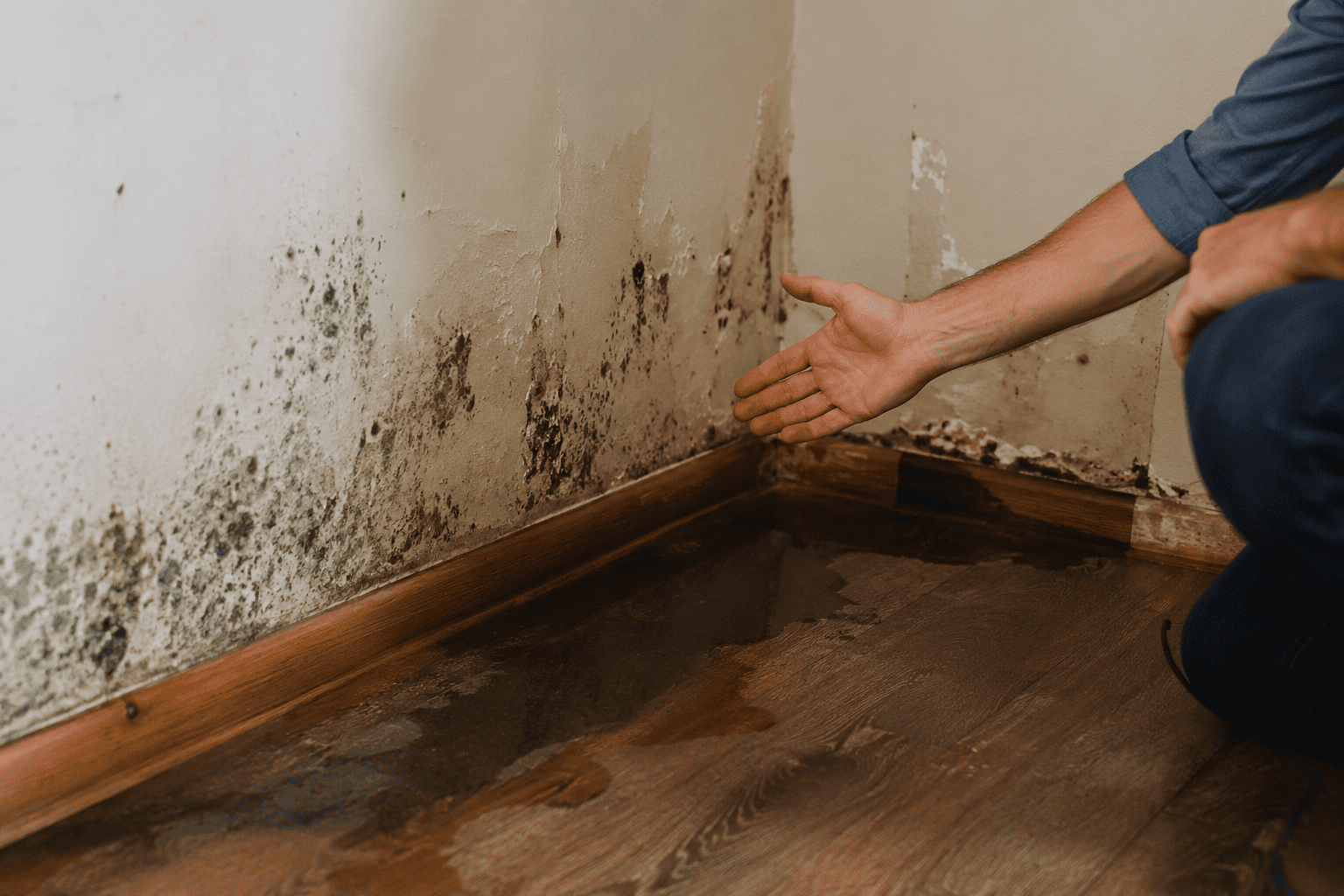
Damp patches, peeling paint, mould growth, or discoloured walls and ceilings are also common signs of hidden moisture problems. These issues often develop when water leaks behind walls, beneath flooring, or within ceilings. Persistent moisture may encourage mould growth, which can spread quickly if the source of the leak is not addressed.
Reduced water pressure can sometimes indicate a damaged or leaking pipe, particularly if the change occurs suddenly. Some property owners may also hear unusual sounds such as dripping, hissing, or running water even when taps and appliances are switched off. These sounds may suggest water is escaping from concealed pipework.
Structural changes within a property can also point to hidden leaks. Cracks appearing in walls, ceilings, or flooring may occur when excess moisture weakens surrounding materials. In outdoor areas, wet patches in gardens, driveways, or paved surfaces can indicate underground pipe leaks, especially when these areas remain damp during dry weather.
Another warning sign is a persistent musty smell that does not disappear with ventilation or cleaning. Trapped moisture behind walls or under floors often creates unpleasant odours that become stronger over time. In properties with central heating systems, repeated drops in boiler pressure may also indicate a hidden heating system leak that requires further investigation.
Ignoring these warning signs can allow leaks to worsen gradually and increase the risk of structural damage, mould growth, and expensive repairs. Investigating unusual changes early is often the most effective way to prevent more serious problems from developing.
Types of Water Leak Detection Systems
Modern water leak detection systems are designed to identify leaks quickly and reduce the risk of serious property damage. Different systems operate in different ways depending on the size of the property, the complexity of the plumbing network, and the level of protection required. Some systems simply alert the property owner to a problem, while others actively shut off the water supply to prevent flooding.
Active water leak detection systems provide continuous monitoring of water flow within a plumbing system. These systems are designed to identify unusual water usage patterns, pressure changes, or continuous flow that may indicate a leak. One of their main advantages is the ability to react immediately when abnormal activity is detected. Many active systems include automatic shut-off valves that stop the water supply before significant damage occurs. This makes them particularly useful for properties that are left unattended for long periods or buildings where rapid leak response is essential.
Passive water leak detection systems operate differently. Instead of monitoring water flow continuously, they rely on strategically placed sensors that detect the presence of water in vulnerable areas. When moisture is detected, the system triggers an alarm or sends a notification to alert the property owner. Passive systems are commonly used in residential properties around kitchens, bathrooms, utility rooms, boilers, and appliances where small leaks are more likely to occur.
Smart water leak detection systems combine advanced monitoring technology with remote connectivity features. These systems can connect to mobile applications, allowing users to monitor water usage in real time and receive instant notifications if suspicious activity is detected. Many smart systems are compatible with wider smart home networks, giving homeowners greater control and visibility over their plumbing systems even when away from the property.
Commercial leak detection systems are typically designed for larger and more complex buildings. Offices, industrial facilities, apartment blocks, hotels, and retail premises often require multi-zone monitoring systems capable of tracking water usage across different sections of a property. These systems help facility managers identify leaks quickly, minimise operational disruption, and protect valuable equipment or infrastructure from water damage.
Common features found in modern leak detection systems include:
- Continuous water flow monitoring
- Automatic water shut-off functionality
- Real-time leak alerts
- Moisture and sensor-based detection
- Mobile app integration
- Remote monitoring access
- Smart home compatibility
- Multi-zone commercial monitoring
- Pressure monitoring capabilities
- Usage tracking and reporting
Choosing the right system depends on factors such as property size, plumbing layout, risk level, and whether continuous automated protection is required. In many cases, combining detection technology with regular maintenance provides the most effective long-term protection against hidden leaks and water damage.
Professional Water Leak Detection Methods
Professional leak detection specialists use a range of advanced technologies to locate hidden leaks accurately while minimising disruption to the property. The method used often depends on the type of plumbing system, the location of the suspected leak, and the severity of the problem. Modern detection equipment allows engineers to trace leaks behind walls, beneath floors, underground, and within drainage systems without unnecessary excavation.
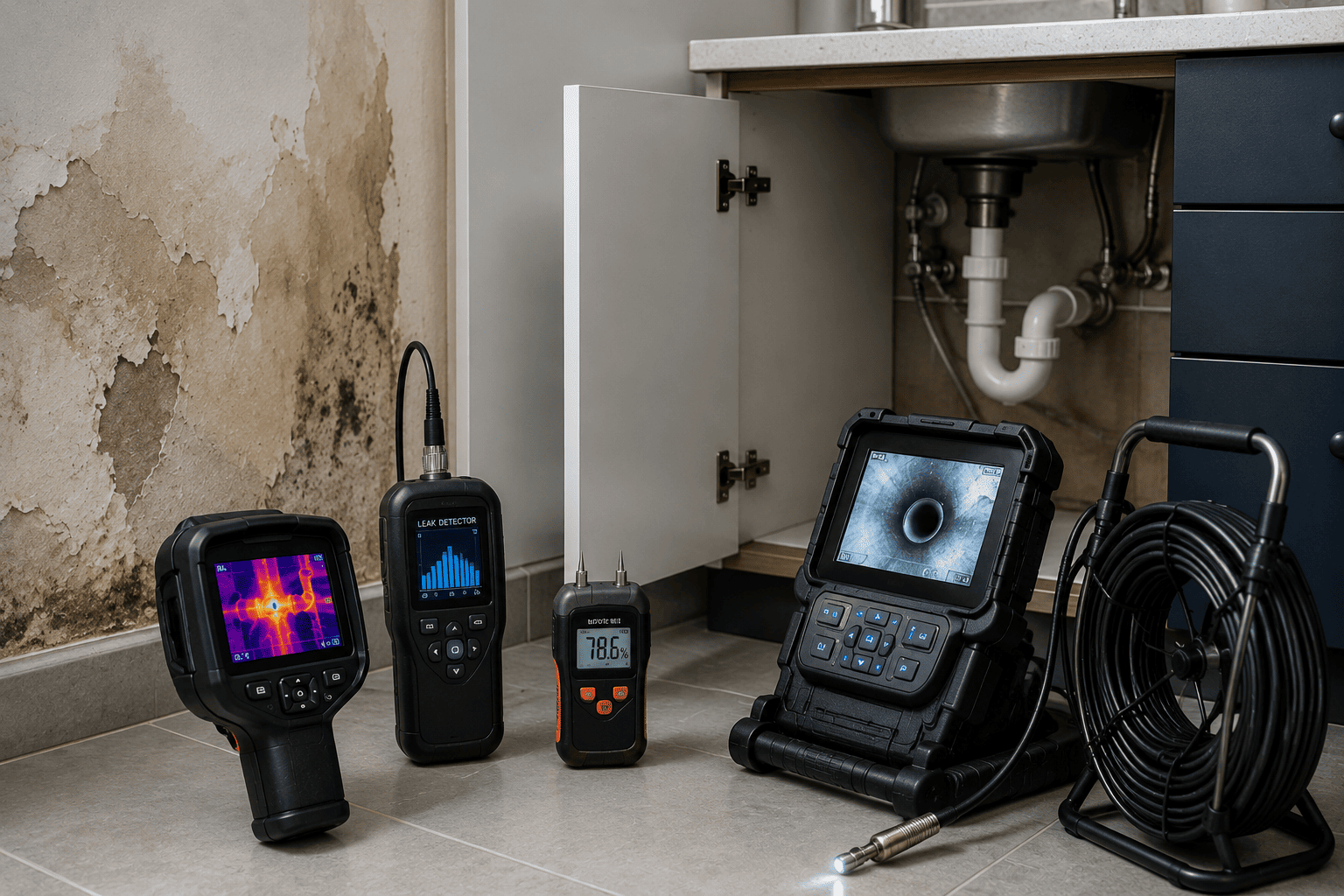
Acoustic leak detection is one of the most widely used methods for locating hidden pipe leaks. This technique relies on highly sensitive listening equipment that detects the sound of water escaping under pressure. Ground microphones and listening discs amplify vibrations and noise travelling through pipework, helping engineers pinpoint the exact location of a leak even when it is underground or concealed beneath solid surfaces.
Thermal imaging cameras are commonly used to detect hidden moisture and temperature differences caused by leaking water. These cameras can identify areas where heat patterns change unexpectedly, making them particularly effective for locating leaks behind walls, beneath flooring, or within heating systems. Thermal imaging is non-invasive and allows large areas to be inspected quickly without causing damage to the property.
CCTV drain surveys involve inserting specialist waterproof cameras directly into drainage systems and underground pipework. The live video feed allows engineers to inspect the internal condition of pipes and identify issues such as cracks, fractures, collapses, root intrusion, and blockages. CCTV inspections are especially useful for diagnosing drainage-related leaks that cannot be identified through external inspection alone.
Tracer gas leak detection is another highly accurate technique used for difficult-to-locate leaks, particularly in underground or concealed pipe systems. A safe, non-toxic gas is introduced into the pipework, and sensitive detection equipment is then used to trace where the gas escapes. This method is highly effective for identifying small leaks that may not produce visible signs on the surface.
Additional professional leak detection methods include moisture meters, damp detection equipment, pressure testing, and pipe tracing technology. Moisture meters help identify hidden water accumulation within walls, ceilings, or flooring materials. Pressure testing allows engineers to determine whether a system is losing pressure due to a leak, while pipe tracing equipment helps map the location and route of concealed pipework before repairs begin.
Common professional leak detection technologies include:
- Acoustic listening devices
- Ground microphones
- Thermal imaging cameras
- CCTV drain survey cameras
- Tracer gas detection equipment
- Moisture and damp meters
- Pressure testing systems
- Electronic pipe tracing tools
- Infrared inspection technology
- Underground utility locators
By combining multiple detection methods, specialists can locate leaks more accurately and reduce unnecessary property damage during the investigation process. This approach helps ensure repairs are carried out efficiently while minimising disruption and long-term repair costs.
Comments from DrainBoss: In many emergency call-outs, hidden leaks are only discovered after customers notice damp smells, rising water bills, or recurring drainage issues. Early professional inspection can often prevent far more serious structural damage and reduce the overall cost of repairs.
DIY Water Leak Checks You Can Try at Home
While some hidden leaks require specialist equipment to locate accurately, there are several basic checks homeowners can carry out to identify potential problems early. Simple inspections and monitoring can sometimes reveal signs of leakage before serious damage develops.
One of the most effective DIY methods is performing a water meter test. Start by turning off all taps, appliances, and water-using fixtures inside the property. Once everything is switched off, check the water meter and record the reading. Wait for around 30 minutes to an hour without using any water, then check the meter again. If the reading has changed, this may indicate water is escaping somewhere within the plumbing system.
A toilet leak dye test can help identify silent toilet leaks that often go unnoticed. Add a few drops of food colouring or leak detection dye into the toilet cistern and wait without flushing. If coloured water appears in the toilet bowl after several minutes, this usually means the toilet mechanism is allowing water to leak continuously.
It is also important to inspect appliances and exposed pipe connections regularly. Washing machines, dishwashers, boilers, sinks, and refrigerators with water connections should be checked for moisture, corrosion, dripping joints, or worn hoses. Even small leaks around fittings can gradually worsen over time.
Monitoring boiler pressure may also help identify hidden heating system leaks. If boiler pressure drops repeatedly despite normal use, there may be a leak somewhere within the central heating pipework or radiator system. Visible dampness, staining, warped flooring, or persistent odours should never be ignored, particularly in areas where plumbing systems are concealed behind walls or beneath floors.
Homeowners should consider contacting a professional leak detection specialist if they notice:
- Sudden or repeated drops in boiler pressure
- Constant sounds of running water
- Persistent damp patches or mould growth
- Unexplained increases in water bills
- Cracks appearing in walls or ceilings
- Wet areas outdoors during dry weather
- Water stains spreading over time
- Multiple plumbing issues occurring simultaneously
Delaying repairs can allow hidden leaks to worsen gradually and increase the risk of structural damage, mould development, electrical hazards, and expensive restoration work. Early professional investigation is often the safest and most cost-effective solution when the source of a leak cannot be identified easily.
Why Professional Leak Detection Is Important
Professional leak detection plays a crucial role in identifying hidden plumbing problems quickly and accurately before they develop into major property issues. While some leaks may appear minor at first, concealed water damage can spread gradually through walls, flooring, ceilings, and structural materials if left unresolved. Specialist leak detection services are designed to locate the exact source of the problem while minimising unnecessary disruption to the property.
One of the main advantages of professional leak detection is the use of non-invasive methods. Modern equipment allows engineers to investigate hidden leaks without excessive digging, wall removal, or damage to floors and surfaces. Technologies such as thermal imaging, acoustic detection, tracer gas systems, and CCTV inspections make it possible to trace leaks precisely while preserving the condition of the property as much as possible.
Professional diagnosis is also significantly faster and more accurate than relying on trial-and-error repairs. Hidden leaks can sometimes travel far from the visible signs of water damage, making them difficult to locate without specialist tools and experience. Accurate detection helps reduce unnecessary repair work and ensures the correct issue is addressed from the beginning.
Another important benefit is the prevention of long-term structural damage. Continuous water exposure can weaken timber, plaster, insulation, concrete, and other building materials over time. Moisture trapped within structures may also contribute to mould growth and deterioration that becomes increasingly expensive to repair if ignored.
Professional leak detection can also help reduce overall repair costs by identifying issues at an earlier stage. Detecting a leak before flooding, structural weakening, or extensive water damage occurs often limits the scale of restoration work required. In many cases, early intervention helps avoid emergency repairs and major renovation expenses later.
In addition, professional leak detection reports and inspection findings can be useful when dealing with insurance providers. Many insurers require evidence showing the source of the leak, the extent of the damage, and the actions taken to investigate the problem. Detailed documentation, inspection reports, CCTV footage, and leak tracing results may help support insurance claims and simplify the claims process for property owners.
Key benefits of professional leak detection include:
- Non-invasive investigation methods
- Faster and more accurate leak diagnosis
- Reduced property disruption during inspections
- Early prevention of structural damage
- Lower long-term repair and restoration costs
- Accurate identification of hidden leaks
- Specialist equipment and technical expertise
- Supportive documentation for insurance claims
- Improved long-term plumbing system reliability
Using professional leak detection services not only helps resolve current problems more efficiently, but also provides greater confidence that hidden issues have been identified correctly before further damage can occur.
Water Leak Detection for Commercial Properties
Water leak detection is particularly important in commercial properties where plumbing systems are often larger, more complex, and subject to heavier daily usage. Offices, retail premises, warehouses, industrial facilities, hotels, schools, and apartment buildings all rely on extensive water systems that can become difficult to monitor without specialist detection solutions. Even a relatively small leak can quickly escalate into a serious operational and financial issue if it remains unnoticed.
Commercial buildings present unique challenges because pipework is frequently concealed within walls, ceilings, service ducts, plant rooms, or underground infrastructure. Multiple floors, large water networks, and continuous water demand can make locating leaks far more complicated than in standard residential properties. In busy commercial environments, leaks may also go undetected for longer periods, especially in areas that are rarely accessed during daily operations.
One of the main priorities for commercial property owners is preventing operational downtime. Water damage can interrupt business activities, damage stock or equipment, restrict access to certain areas, and create costly disruptions for employees, customers, or tenants. In sectors such as hospitality, healthcare, manufacturing, and retail, prolonged water-related issues may lead to reputational damage in addition to repair costs.
Large plumbing systems often require continuous monitoring to ensure leaks are identified as early as possible. Commercial leak detection systems can monitor multiple zones simultaneously, track abnormal water usage patterns, and alert maintenance teams to pressure fluctuations or unexpected water flow. In larger facilities, integrating leak detection technology into building management systems can improve response times and simplify ongoing maintenance.
Preventative maintenance strategies are also essential in commercial environments. Regular inspections, pressure testing, pipe condition assessments, and drainage surveys help identify ageing infrastructure or vulnerable areas before failures occur. Planned maintenance programmes can significantly reduce the likelihood of emergency repairs and unexpected shutdowns.
Safety and compliance are additional concerns for commercial property owners and facility managers. Water leaks may create slip hazards, electrical risks, contamination concerns, or damage to fire protection systems. In some industries, maintaining safe and compliant premises is a legal requirement, making prompt leak detection and repair an important part of overall building management.
Common commercial leak detection priorities include:
- Monitoring large and complex plumbing systems
- Preventing disruption to business operations
- Protecting equipment, stock, and infrastructure
- Reducing emergency repair costs
- Improving maintenance response times
- Managing multi-zone water systems
- Supporting health and safety compliance
- Reducing water waste and operational inefficiency
- Identifying hidden underground leaks
- Protecting tenant and customer areas
A proactive approach to leak detection helps commercial properties maintain operational continuity, reduce long-term maintenance costs, and protect both the building and the people who use it every day.
Comments from DrainBoss: Commercial properties and larger homes frequently benefit from regular preventative inspections, especially where older pipework or underground drainage systems are involved. Using modern leak detection equipment allows issues to be identified quickly while minimising disruption to the property or business operations.
Benefits of Water Leak Detection Systems
Water leak detection systems provide an additional layer of protection for both residential and commercial properties by helping identify problems before serious damage occurs. As plumbing systems become more complex and water costs continue to rise, many property owners are investing in leak detection technology to improve efficiency, safety, and long-term property protection.
One of the main advantages of leak detection systems is early leak identification. Detecting unusual water activity at an early stage allows problems to be addressed before leaks spread or become more destructive. In many cases, early detection can prevent flooding, extensive repairs, and prolonged disruption to the property.
Leak detection systems can also help reduce water bills by identifying unnecessary water loss quickly. Even small leaks may waste a considerable amount of water over time, particularly if they remain hidden for weeks or months. Monitoring systems help property owners identify abnormal consumption patterns and respond before costs increase further.
Another important benefit is protection against property damage. Water escaping from hidden pipework can affect walls, ceilings, flooring, insulation, electrical systems, and structural materials. Automatic shut-off systems and rapid alerts can limit the amount of water released into the property and reduce the severity of damage.
Improved safety and hygiene are also key advantages. Excess moisture can create slippery surfaces, encourage mould growth, and negatively affect indoor air quality. In commercial settings, leak detection systems may also help protect staff, customers, equipment, and sensitive operational areas from water-related hazards.
Many property owners value the additional peace of mind that leak detection systems provide. Smart monitoring technology allows users to check water usage remotely and receive notifications if unusual activity is detected, even when the property is unoccupied. This is particularly beneficial for holiday homes, rental properties, offices, and buildings left unattended outside business hours.
Leak detection systems may also contribute to water conservation efforts by reducing unnecessary water waste. Identifying leaks quickly helps minimise avoidable water loss and supports more efficient use of resources, which is increasingly important for both environmental and financial reasons.
In some cases, installing leak detection systems may offer insurance-related benefits. Certain insurers may view proactive leak prevention measures positively, particularly in properties with a previous history of water damage claims. Some policies may even require enhanced leak monitoring in higher-risk buildings.
Key benefits of water leak detection systems include:
- Earlier identification of hidden leaks
- Reduced water wastage and lower utility bills
- Protection against structural and internal property damage
- Improved safety and indoor hygiene conditions
- Faster response to plumbing emergencies
- Greater peace of mind for property owners
- Remote monitoring and instant alerts
- Support for water conservation efforts
- Potential insurance and risk management benefits
- Improved long-term plumbing system efficiency
By combining preventative monitoring with fast response capabilities, water leak detection systems can help reduce risk, minimise disruption, and provide long-term protection for a wide range of properties.
How to Choose the Right Water Leak Detection Solution
Choosing the right water leak detection solution depends on the size of the property, the complexity of the plumbing system, and the level of protection required. Residential properties may only need basic sensor-based monitoring, while larger commercial buildings often require advanced multi-zone systems with continuous monitoring capabilities.
Many property owners now choose smart leak detection systems because they offer remote access, instant notifications, and real-time monitoring through mobile applications. Traditional systems can still provide reliable protection, particularly for smaller properties or targeted high-risk areas such as kitchens, bathrooms, and boiler rooms.
When comparing leak detection systems, some important features to consider include:
- Automatic shut-off valves
- Mobile alerts and notifications
- Continuous flow monitoring
- Sensor placement flexibility
- Smart home compatibility
- Real-time usage tracking
- Easy maintenance and system access
Professional installation is also important to ensure the system functions correctly and monitors the most vulnerable areas effectively. Poor sensor placement or incorrect installation may reduce the accuracy of the system and increase the risk of missed leaks.
When selecting a leak detection specialist, it is worth considering their experience, available technology, response times, and ability to handle both detection and repair work. Choosing a reliable provider can help ensure leaks are identified quickly and resolved with minimal disruption to the property.
Our Services:
How Much Does Water Leak Detection Cost in the UK?
The cost of water leak detection in the UK can vary depending on the complexity of the issue and the type of investigation required. Some leaks are relatively straightforward to locate, while others may require advanced diagnostic equipment and more detailed inspections.
Several factors can influence the overall cost of leak detection services, including:
- Property size and layout
- Location of the suspected leak
- Accessibility of pipework
- Whether the leak is internal or underground
- Technology and equipment required
- Severity of the issue
- Emergency or out-of-hours call-outs
- Residential or commercial property type
Basic inspections may involve visual checks and standard testing methods, while more advanced investigations can require specialist equipment such as thermal imaging cameras, acoustic listening devices, tracer gas systems, or CCTV drain surveys. Larger properties and complex plumbing systems may also require more extensive testing procedures.
In some cases, water leak detection may be covered by home insurance policies under “trace and access” cover. This type of cover may help with the cost of locating the source of a hidden leak and accessing affected areas for repair work. However, insurance policies differ between providers, and not all leaks or resulting damage may be included.
Before arranging leak detection services, it is always advisable to review your insurance policy carefully and check what level of protection is available. Insurers may request professional reports, inspection findings, or supporting documentation when processing water damage claims.
How to Prevent Future Water Leaks
Preventing water leaks is often far more cost-effective than dealing with emergency repairs and property damage later. Regular maintenance and early intervention can help reduce pressure on plumbing systems and minimise the risk of hidden leaks developing over time.
Routine plumbing inspections are one of the most effective preventative measures. Checking exposed pipes, fittings, valves, and appliances regularly can help identify signs of wear, corrosion, or small leaks before they become more serious. Monitoring water pressure is also important, as excessive pressure can place unnecessary strain on pipework and joints.
During colder months, insulating exposed pipes can help protect them from freezing temperatures and reduce the risk of burst pipes. Pipe insulation is especially important in lofts, garages, basements, and other unheated areas where pipework may be vulnerable during winter.
Regular drain maintenance can also help prevent leaks caused by blockages, pressure build-up, or damaged drainage systems. Keeping drains clear and arranging periodic inspections may help identify underlying problems before they affect the wider plumbing network.
Many property owners now install smart leak detection devices to improve monitoring and receive early alerts when unusual water activity occurs. These systems can provide additional protection by identifying leaks quickly and helping reduce unnecessary water loss.
Simple preventative steps include:
- Scheduling regular plumbing inspections
- Monitoring water pressure levels
- Insulating exposed pipes during winter
- Maintaining drains and pipework regularly
- Installing smart leak detection systems
- Replacing ageing plumbing components
- Repairing small leaks immediately
- Checking appliances and flexible hoses routinely
Addressing minor leaks early is particularly important. Small drips or slow leaks may appear harmless at first, but over time they can weaken surrounding materials, increase water usage, and lead to more expensive repairs if ignored.
Conclusion
Water leaks can cause serious disruption if they are not identified and repaired quickly. From hidden pipe damage and rising water bills to structural deterioration and mould growth, even a small leak can become a costly problem over time. Early leak detection and preventative maintenance are essential for protecting both residential and commercial properties from unnecessary damage and long-term repair expenses.
Modern leak detection technology now makes it possible to locate hidden leaks quickly and accurately with minimal disruption. Whether the issue involves underground pipework, drainage systems, or internal plumbing, acting early can help reduce repair costs, improve system efficiency, and prevent more severe structural problems from developing.
If you are experiencing drainage issues, recurring blockages, damp-related concerns, or suspect problems within your pipework, DrainBoss Plumbing & Drainage provides 24/7 emergency drainage and plumbing support for residential and commercial properties across Sussex, Surrey, Kent, Hampshire, Brighton, South London, and surrounding areas. The company offers CCTV drain surveys, drain unblocking, drain repairs, pressure testing, and emergency plumbing services using modern equipment and experienced engineers.
As a family-run, Trading Standards approved company with more than two decades of industry experience, DrainBoss focuses on fast response times, transparent pricing, and reliable long-term solutions. Their fully trained and insured team handles everything from blocked drains and damaged pipework to complex drainage investigations and emergency repairs.
Water Leak Detection FAQs
How can I tell if I have a hidden water leak?
Hidden water leaks often show subtle warning signs before major damage becomes visible. You may notice higher water bills, damp patches, mould growth, reduced water pressure, or unusual sounds of running water when no taps are in use. Some leaks can also cause musty odours or wet areas around floors and walls. If these signs continue or worsen, a professional leak detection inspection is usually recommended.
What is the best method for detecting hidden water leaks?
The best leak detection method depends on the location and type of leak. Professionals often use a combination of technologies such as thermal imaging cameras, acoustic listening devices, tracer gas systems, and CCTV drain surveys to locate leaks accurately. Modern non-invasive methods allow engineers to investigate hidden leaks without unnecessary excavation or damage to the property. Using specialist equipment usually provides faster and more accurate results than visual inspections alone.
Are water leak detection systems worth installing?
Water leak detection systems can help prevent serious property damage and reduce long-term repair costs. Many systems provide early alerts when abnormal water usage or moisture is detected, allowing property owners to respond quickly. Some advanced systems can even shut off the water supply automatically to minimise flooding risks. They are particularly useful for larger properties, commercial buildings, and homes that may be left unoccupied for extended periods.
Can a hidden water leak affect my health?
Yes, hidden leaks can contribute to health problems if they lead to damp conditions and mould growth. Excess moisture inside walls, ceilings, or flooring may reduce indoor air quality and create conditions where mould spreads more easily. Prolonged exposure to damp and mould can sometimes trigger respiratory irritation or worsen allergies for certain individuals. Identifying and repairing leaks early helps maintain a healthier indoor environment.
Does home insurance cover water leak detection?
Some home insurance policies may include “trace and access” cover, which can help with the cost of locating a hidden leak and accessing affected areas for repairs. However, the level of cover varies between insurers and policies. In many cases, insurers require evidence from professional leak detection specialists before processing a claim. It is always advisable to review your policy carefully and confirm what types of water damage and leak investigations are included.