
A blocked shower drain is one of the most common household problems. Almost every home experiences it at some point, whether from hair, soap residue or general build-up inside the pipes. It might seem like a small inconvenience at first, but if left untreated it can quickly turn into a bigger issue.
Standing water in the shower is not only unpleasant, it can also create bad odours and even damage the pipework over time. Slow drainage is often the first sign, and the longer you ignore it the more stubborn the blockage can become.
The good news is that many shower drain blockages can be solved without professional equipment. In this guide you will find simple, proven and professional tips to restore free-flowing water and keep your bathroom fresh and hygienic.
Common Causes of a Blocked Shower Drain
Understanding the root cause of a blockage is essential before you attempt to clear it. Not all clogs are the same, and knowing what you are dealing with can help you choose the right method and avoid unnecessary damage to your pipes.
Hair build-up
Hair is the single most frequent cause of blocked shower drains. When strands of hair wash down the plughole, they tend to tangle together and form clumps. These clumps easily catch other debris, creating a dense mass that water struggles to pass through.
The problem is often gradual. At first you may only notice water draining a little slower than usual, but if the hair continues to accumulate the flow can stop almost completely. This type of blockage is especially common in households with long-haired family members.
Soap scum and oils
Soap residue does more than leave a film on your shower glass. When combined with natural oils from the skin and hair products, it hardens on the inside of pipes and traps particles in place. The result is a sticky lining that narrows the pipe diameter over time.
As the layer grows thicker, it creates rough surfaces that catch hair and dirt more easily. This is why a drain that looks clear from the outside can still block repeatedly – the build-up inside is restricting the flow even when no obvious obstruction is visible.
Hard water deposits
In areas with hard water, mineral deposits such as calcium and magnesium settle in the drain and pipework. This limescale forms hard, crusty layers that cling stubbornly to surfaces and are difficult to remove without the right treatment.
These deposits not only slow drainage but also create an ideal surface for soap scum and hair to stick to, meaning blockages form faster and return more often. Regular descaling is often necessary in such households to keep drains working properly.
Foreign objects
It is not always hair or soap that causes the problem. Small items like bottle caps, cotton buds, or bits of plastic packaging can fall into the drain without being noticed. Even a small obstruction can catch on the drain walls and quickly cause a full blockage.
Such blockages can be the most frustrating because they often happen suddenly. One moment your shower is draining fine, the next it is completely blocked. Identifying whether a foreign object is involved is important, as different tools may be required to remove it safely.
By recognising the specific cause of a blockage, you can choose the most effective method of clearing it and prevent the issue from returning. What works for hair, for example, may not be effective for limescale or soap residue, so diagnosis is always the best starting point.
Our Services:
Professional Tips to Unblock a Shower Drain
Below are six effective methods you can use to clear a blocked shower drain. Start with the simplest options and only move to stronger measures if necessary.
1. Flush with Hot (Not Boiling) Water.
Hot water is a safe first step for dealing with mild blockages. It can loosen soap deposits and oils that have started to harden inside the pipe. Simply boil a kettle, let the water cool slightly, then pour it carefully down the drain in stages.
The key point is to avoid using water at boiling point. Extremely hot water poured directly onto ceramic trays or PVC pipes can cause cracks or warping. Use very hot but not boiling water to protect your plumbing system.
2. Baking Soda and Vinegar Reaction.
This eco-friendly method makes use of common household items. Pour one cup of baking soda into the drain, followed by one cup of white vinegar. The reaction between the two creates a fizzing action that helps to break down soap scum and loosen debris.
For best results, cover the drain after pouring in the vinegar and leave the mixture to work for at least 30 minutes. Once the fizzing stops, rinse the drain with hot water to wash away the loosened material. This method is safe for pipes and can be repeated if necessary, but should not be used excessively on old plumbing with fragile seals.
3. Manual Removal of Hair and Debris.
If you can see hair or other build-up near the surface, removing it by hand is often the quickest fix. Start by taking off the drain cover. Some covers can be lifted out directly, while others may need a screwdriver to remove a fixing screw.
With gloves on, use a hook tool, a bent wire hanger or a purpose-made plastic drain cleaner to pull out the blockage. A torch can help you see deeper into the pipe. Although this method can be unpleasant, it is usually very effective against hair clogs and gives instant results.
4. Using a Plunger.
A plunger works by creating suction that shifts blockages lodged just below the drain opening. Place the plunger firmly over the plughole, press down to make a seal, and then pump several times to generate pressure changes inside the pipe.
This method works best when there is some standing water in the shower, as the water helps to form a tighter seal. If the suction is weak, applying a little petroleum jelly around the rim of the plunger can improve the grip and increase effectiveness.
5. Chemical Drain Cleaners – Use with Caution.
Chemical drain cleaners are available in most supermarkets and DIY stores, and they can break down stubborn blockages. However, they contain harsh ingredients that may corrode pipes over time, especially if used frequently.
If you choose this option, always follow the instructions on the packaging carefully, wear gloves and ensure good ventilation. Chemical cleaners should only be a last resort, and never mixed with other methods such as vinegar, as this can create dangerous reactions.
6. Drain Snake or Professional Tools.
A drain snake is a flexible tool designed to reach deeper into the pipe and dislodge or pull out stubborn clogs. It is inserted into the drain until resistance is felt, then twisted and pushed gently to break through the blockage.
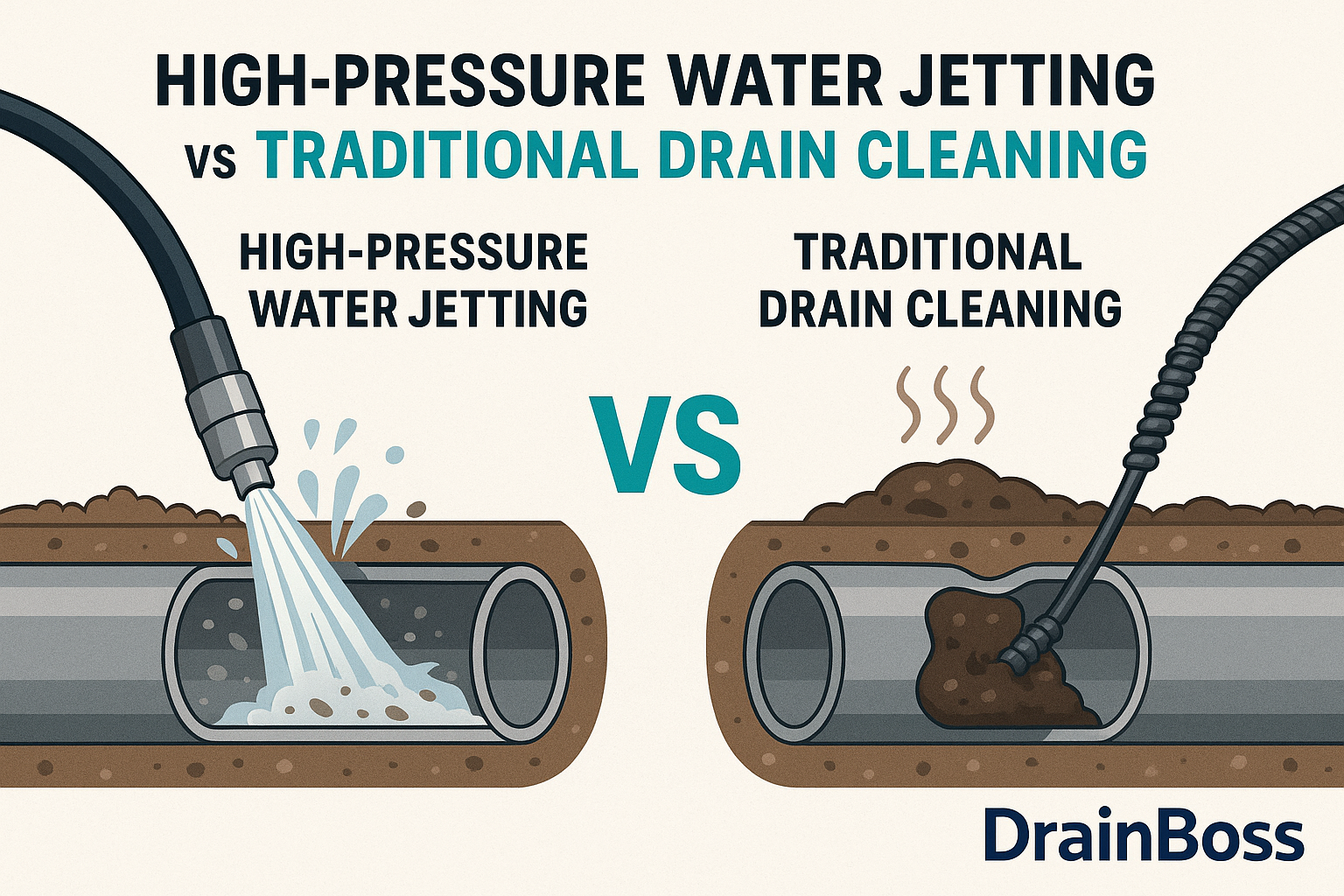
While inexpensive versions are available for home use, professional-grade snakes and high-pressure water jetting equipment are far more powerful and effective. If basic tools do not solve the problem, a specialist will have the right equipment to clear the drain safely without damaging the pipework.
These methods cover everything from light blockages caused by soap to more stubborn clogs deeper in the pipes. By working through them step by step, most homeowners can restore proper drainage without too much trouble. If none of these approaches succeed, it may indicate a more serious issue that needs attention beyond DIY methods.
DrainBoss Comments: In our experience, many customers try chemical cleaners first, but these often only provide short-term relief. Physical removal of hair or using the right tools is usually more effective and much safer for your pipes. If you are unsure which method to start with, hot water flushing and a plunger are often the best first steps.

How to Unblock a Shower Drain Full of Hair
Hair is the number one cause of shower drain blockages. Unlike soap scum or mineral deposits, it forms a net that traps everything else passing through the drain. Over time, even a small amount of hair builds into a dense clog that prevents water from flowing freely.
Removing hair blockages may seem unpleasant, but it is often straightforward and gives instant results. With the right approach and basic tools, you can clear the drain effectively and restore normal drainage without damaging the pipework.
Step-by-step method for removing hair:
- Take off the drain cover. Some covers can be lifted out, while others may need a screwdriver.
- Put on protective gloves to keep your hands clean and safe.
- Use a simple tool such as a plastic hook, a bent wire hanger or a drain cleaning strip to grab and pull out the hair.
- Repeat the process until no more debris is visible.
- Rinse the drain with hot water to flush away any remaining residue.
Recommended tools for hair removal
| Tool | How it Works | Pros | Cons |
| Disposable plastic hook | Slim plastic stick with small barbs that catch hair | Cheap, widely available, easy to use | Single-use, not very strong |
| Bent wire hanger | Straightened hanger with a small hook at the end | Free, effective for surface-level clogs | Can scratch metal pipes if used roughly |
| Drain cleaning strip | Flexible strip designed for pulling out hair | Easy to manoeuvre deeper into the pipe | Needs careful handling to avoid snapping |
Hygiene and safety tips
Always wear gloves when handling hair blockages, as they can contain soap residue, bacteria and other debris. It is also a good idea to keep a small bag or disposable container nearby to collect what you remove, rather than flushing it back down the drain. Once finished, wash your hands thoroughly and disinfect any tools you plan to reuse.
Tackling hair blockages directly may not be the most pleasant household task, but it is one of the most effective ways to restore proper drainage quickly.
How to Prevent Future Blockages
Preventing a blockage is always easier than clearing one. With a few simple habits, you can keep your shower drain working properly and avoid the frustration of standing water.
Here are the most effective ways to stop clogs from forming:
- Use a drain filter or hair catcher. This simple device stops hair and debris before they go down the drain. It only takes a quick rinse to clean it and it makes a big difference over time.
- Rinse with hot water after every shower. A short flush of hot water helps wash away soap residue and oils before they have a chance to harden on the pipe walls.
- Avoid oily and wax-based products. Heavy conditioners, bath oils and certain body washes can leave a sticky film inside the drain. Switching to lighter products or rinsing thoroughly reduces this risk.
- Do a monthly cleaning routine. Pouring baking soda followed by vinegar once a month can break down small deposits and freshen the drain before they turn into a major problem.
- Take extra care in hard water areas. If your water supply is high in minerals, limescale can add to the build-up. Using a softener or applying a descaling solution every few months helps prevent mineral deposits.
By building these small steps into your routine, you can keep your shower draining freely and avoid the unpleasant task of tackling a full blockage.
Our Services:
When to Call the Professionals
Most shower drain blockages can be managed with simple home methods, but there are times when expert help is the safest and most effective option. Knowing when to stop trying DIY fixes and call in a specialist can save you from further damage and frustration.
Signs that the problem is more serious include:
- Water remains standing and will not drain even after you have tried several methods.
- A persistent bad smell comes from the shower drain, no matter how often you clean it.
- Blockages return frequently, suggesting there is an underlying issue deeper in the system.
- More than one drain in the house is blocked at the same time, which may point to a main pipe obstruction.
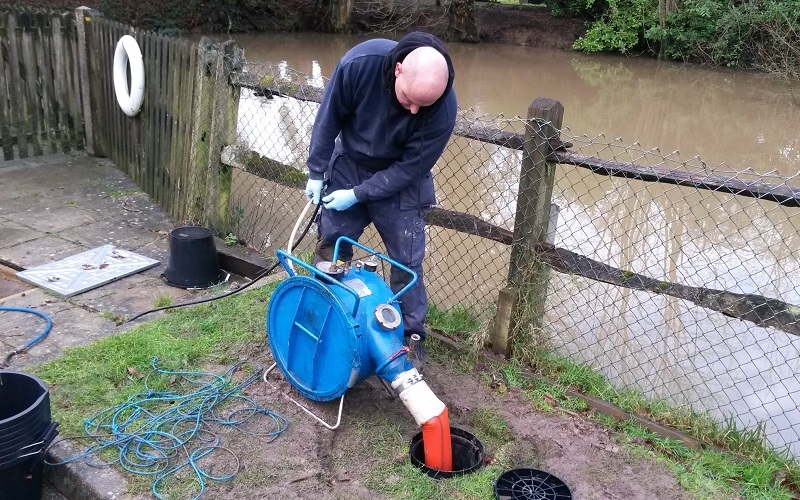
Professionals use safe techniques and advanced equipment designed specifically for drain clearance. From high-pressure water jetting to CCTV inspections, they can diagnose the exact cause and clear the blockage without risk to your pipes. Choosing expert help not only restores proper drainage but also gives you peace of mind that the problem has been dealt with thoroughly.
DrainBoss Comments: We are often called to homes where DIY attempts have not worked or even made the problem worse. Our team uses specialist equipment to clear drains quickly without risking pipe damage. Calling professionals early can save both time and money in the long run.
Conclusion
Most shower drain blockages can be resolved at home with simple techniques such as hot water flushing, natural cleaning solutions or manual removal. The key to avoiding serious problems is regular maintenance and prevention, which greatly reduces the chance of clogs forming in the first place. Acting quickly when you notice slow drainage or unpleasant smells will also stop small issues from becoming bigger ones.
If home remedies are not enough, it is always best to turn to professionals who have the right skills and equipment. DrainBoss Plumbing & Drainage is a trusted, family-run company serving Sussex, Surrey, Hampshire, Kent, South London and Brighton. Available 24/7 with no call-out charges, our team offers reliable drain unblocking, repair and CCTV surveys. For friendly advice or fast emergency service, call our helpline on 03302235789 or email service@drainboss.co.uk. NHS staff and OAPs can also benefit from a 5% discount on drain unblocking services.
FAQs: Professional Advice on Unblocking a Shower Drain
Will boiling water clear a blocked shower drain?
Boiling water is not recommended for clearing a shower drain. While very hot water can help loosen soap scum or oils, boiling water may damage PVC pipes or crack ceramic shower trays. It is safer to use hot, but not boiling, water poured slowly in stages to flush away residue. If the blockage is more severe, additional methods will be required.
Is it safe to use bleach in a shower drain?
Bleach is not the best option for clearing a blocked shower drain. It can disinfect and reduce odours, but it does not effectively dissolve hair or soap build-up. Regular use may also damage seals and older pipework. Safer alternatives include baking soda and vinegar, or a proper drain cleaner used occasionally and with care.
Why does my shower drain keep blocking even after I clear it?
If your shower drain blocks again and again, it may be a sign of a deeper problem in the pipe system. Hair and soap scum might be building up further down, or hard water deposits may be reducing the pipe’s diameter. In some cases, repeated blockages indicate a more serious obstruction in the main line. If this happens, professional inspection and cleaning are the best solutions.
Can I prevent shower drain blockages completely?
While you cannot guarantee that a shower drain will never block, you can greatly reduce the risk with a few simple habits. Using a hair catcher, rinsing the drain with hot water, and avoiding oily bath products make a big difference. Regular preventive cleaning with baking soda and vinegar, along with descaling in hard water areas, helps keep your pipes clear. Prevention is far easier than dealing with a serious clog.
When should I call a professional for a blocked shower drain?
You should consider calling a professional if home methods do not clear the blockage, or if the drain clogs repeatedly. Other warning signs include a persistent bad smell, standing water that does not move, or multiple drains in the house blocking at the same time. A professional can use safe, specialist equipment such as CCTV surveys and high-pressure jetting to solve the issue quickly and permanently.



2 responses
★★★★★
Hair is definitely the main reason our shower drains slowly. I recently bought one of those plastic drain cleaning strips and was surprised how much it pulled out. Not the nicest job, but it solved the problem straight away.
★★★★★
I usually try the hot water and baking soda method first when the shower starts draining slowly. Sometimes it works, sometimes it doesn’t, but it’s a good quick thing to try before taking the drain apart. The tip about using a hair catcher is probably something I should finally start doing.