

Every winter, thousands of homes across the UK experience problems with frozen pipes. According to industry reports, burst pipes caused by freezing are one of the most common plumbing emergencies, costing households millions in water damage repairs each year. In fact, insurers note that during prolonged cold snaps, claims for water damage can rise by more than 30% compared to other times of the year.
In the South East, where temperatures can drop suddenly during frosty nights, the risk is particularly high. Many properties in Sussex, Surrey, Kent, Hampshire, and surrounding areas have pipework running through lofts, garages, or external walls – all vulnerable spots when temperatures fall below zero. This makes frozen pipes not just inconvenient, but a serious and recurring seasonal problem.
That’s why understanding the risks, prevention methods, and knowing exactly what to do in an emergency is so important. With the right advice, you can reduce the chance of damage and act quickly if freezing strikes.
Additional services:
What do you do if your pipes are frozen?
If your water pipes are frozen, it’s important to act quickly but calmly. Left alone, frozen pipes can expand and split, leading to leaks or even flooding. So, pipes frozen, what to do becomes a key winter question for many households.
How to tell if pipes are frozen?
There are a few warning signs you can look out for:
- Only a trickle of water (or none at all) is coming from your taps.
- Your boiler struggles to start or makes unusual gurgling noises.
- Toilets flushing slowly or sinks draining poorly.
If you notice one or more of these, chances are your pipes are blocked with ice.
First steps to take:
- Turn off the stop tap – usually found under the kitchen sink, in a downstairs bathroom, or under the stairs. This stops more water from flowing into the frozen section.
- Open all your taps – this helps relieve pressure and lets water escape as the ice melts. Keep a bucket handy to save some water for flushing toilets or handwashing.
- Thaw the pipe gently – apply heat slowly using hot water bottles or towels soaked in hot water. Move along the pipe section by section until the water begins to flow again.
What not to do?
Never use a naked flame, blowtorch, or boiling water to thaw pipes. Direct, extreme heat can permanently damage the pipework and even pose a fire risk.
When to Call a Plumber for Frozen Pipes?
If you’re unsure of the location of the frozen pipe, can’t get water flowing again, or notice any leaks, it’s time to call in an expert. DrainBoss provides 24/7 emergency Plumbing & Drainage services across Sussex, Surrey, Kent, Hampshire & London. Our engineers are fully insured, Trading Standards Approved, and ready to help – just call us on 0330 223 5789.
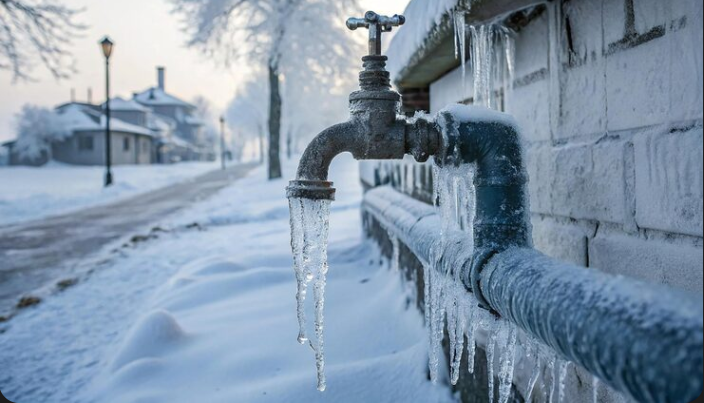
Should you shut your water off if your pipes freeze?
Yes – the very first step you should take is to turn off your inside stop tap. Shutting off the supply immediately reduces the risk of a frozen pipe burst, which can cause leaks and expensive water damage. If you’re wondering “what to do when my pipes freeze”, the answer is simple: always stop the flow of water first. Once the stop tap is turned off, you should drain your system, but keep a little water saved in a bucket for flushing toilets or handwashing.
Taking these steps buys you time while you safely thaw the pipe or wait for a professional. If you’re unsure, DrainBoss is available 24/7 for emergency callouts, including Water Mains Repair and frozen pipe emergencies.
| Step | What to Do | Why It Matters | Example / Tip |
| 1. Turn off the stop tap | Shut off the incoming water supply immediately. | Prevents pressure build-up that can split pipes. | The stop tap is usually under the kitchen sink or in a downstairs cupboard. |
| 2. Drain the system | Open all taps to let water out. | Relieves trapped pressure in frozen sections. | Leave taps open until water stops running, then close them again. |
| 3. Save some water | Fill a bucket before draining. | You’ll still need water for essentials. | Use for flushing toilets or basic washing until the issue is fixed. |
| 4. Thaw gently | Warm the pipe slowly with towels soaked in hot water or hot water bottles. | Prevents damage to pipework from sudden heat. | Never use a naked flame or boiling water. |
| 5. Call a professional | If unsure or if damage has already occurred, call DrainBoss. | Ensures safe repairs and prevents repeat issues. | We offer 24/7 emergency Plumbing & Drainage services across Sussex, Surrey, Kent, Hampshire & London. |
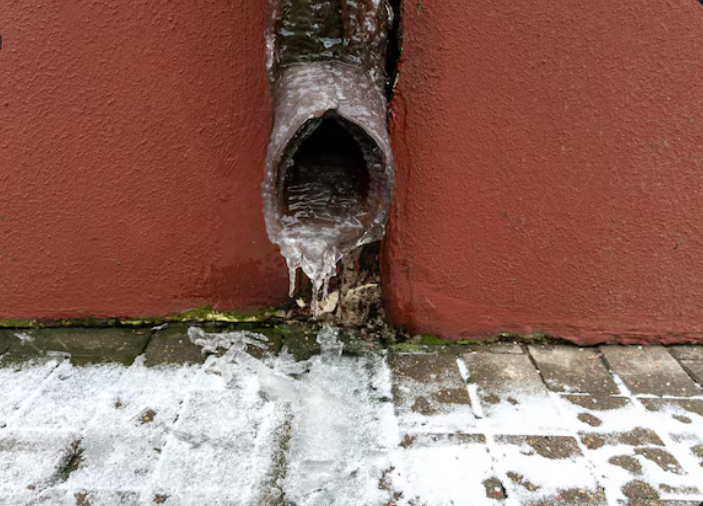
Will frozen pipes thaw out on their own?
Sometimes, a frozen pipe will eventually thaw on its own as temperatures rise. But leaving it to chance is risky. When ice melts unevenly inside a pipe, the sudden rush of water can increase pressure on weak spots, turning a minor blockage into a costly leak or full burst.
Professional Advice: “Never assume frozen pipes will simply sort themselves out. What looks like a minor blockage can quickly escalate into flooding if the pipe splits under pressure.” – DrainBoss Engineer
The safer option is always to take controlled action. Using hot water bottles, heated pads, or towels soaked in warm water allows the pipe to warm gradually, avoiding stress on the joints and fittings. This method helps restore water flow safely, without risking permanent damage.
Expert Tip: “Avoid hairdryers, blowtorches, or boiling water. Direct, harsh heat can crack pipework or even create fire hazards.” – DrainBoss Emergency Team
If you’re uncertain where the frozen section is, or if the pipe shows signs of leaking once it starts to thaw, professional help is essential.
DrainBoss provides a fast-response emergency service for all plumbing and drainage issues. Our fully insured engineers are available around the clock, ready to deal with frozen or burst pipes safely before they lead to serious damage.
Additional services:
At what temperature do pipes freeze in a house?
So, what temp do pipes freeze? Generally, water inside household pipes begins to freeze at 0°C, especially in areas that aren’t heated, such as lofts, garages, basements, or pipes that run along external walls. Here in the South East, sudden cold snaps catch many homeowners off guard every winter, making frozen pipes a very real and urgent problem for Sussex, Surrey, Kent, Hampshire & London.
When pipes freeze, the risk of splitting or bursting increases dramatically. That’s why preventing burst pipes is just as important as dealing with them when they happen. Simple actions like lagging exposed pipes, insulating loft spaces, and keeping your heating on low overnight can save you from serious water damage and costly repairs.
Pro Tip: Don’t forget to stop outside taps from freezing by insulating them or draining them before temperatures drop – outdoor fittings are often the first to freeze.
For complete peace of mind, DrainBoss offers preventative services such as Drain Repair, Drain Tracing, and full Plumbing & Drainage inspections. These checks ensure your pipework is winter-ready and reduce the risk of unexpected emergencies.
Frozen pipes can cause stress, disruption, and expensive damage, but you don’t need to face the problem alone. DrainBoss is here to help.
📞 Call DrainBoss today on 0330 223 5789 for expert assistance with frozen pipes, leaks, or emergency Drain Repair. We’re Trading Standards Approved, fully insured, and on call 24/7 across Sussex, Surrey, Kent, Hampshire & London.

2 responses
★★★★★
Frozen pipes are something we worry about every winter, especially because our boiler and some pipework are in the loft. The tip about keeping the heating on low overnight is something we started doing last year and it definitely helps. It’s surprising how quickly pipes can freeze during a cold snap.
★★★★★
I didn’t realise you should open the taps when a pipe freezes. That actually makes sense to relieve the pressure while it thaws. Good to know that using boiling water or a flame is a bad idea because I’ve heard people suggest that before.