
Key Points:
- Regular drain cleaning helps prevent slow drainage, unpleasant odours and costly plumbing repairs.
- Simple maintenance habits such as flushing drains with hot water and using strainers can significantly reduce the risk of blockages.
- Common household waste including grease, hair and food debris is a major cause of drain build up inside pipes.
- Professional services such as CCTV drain inspections and high pressure jetting can remove stubborn blockages and restore full pipe performance.
Drainage systems play a vital role in every property, quietly carrying wastewater away from sinks, showers, toilets and appliances. Because these pipes are hidden behind walls and beneath floors, they are often overlooked until a problem appears. However, maintaining clean drains is essential for keeping plumbing systems working efficiently and preventing unpleasant issues inside the home. Regular drain care helps ensure that water flows freely through the pipes and reduces the risk of disruptive plumbing problems.
Over time, everyday waste gradually accumulates inside drain pipes. Grease from cooking, soap residue, hair, food particles and other debris can cling to the inner surfaces of the pipework. As this build up grows, it can restrict water flow and create ideal conditions for unpleasant odours and bacteria. Without regular maintenance, these small deposits can eventually lead to slow drainage, persistent smells, stubborn blockages and even damage to the pipe system. The good news is that many of these problems can be avoided by following a few simple drain cleaning habits that help keep your drainage system clear and functioning properly.
Why Drain Cleaning Is Important for Your Plumbing System
Your drainage system is responsible for safely removing wastewater from your property and transporting it away through underground pipe networks. Every day, water from sinks, showers, washing machines and toilets carries various substances into these pipes. Although most of this waste flows away without issue, small particles and residues often remain inside the pipework. Over time these deposits can gradually accumulate along the internal surfaces of the pipes, narrowing the available space for water to pass through.
Common household waste such as grease, soap residue, hair, food particles and mineral deposits can cling to pipe walls and form layers of build up. As these layers grow thicker, water flow becomes restricted and drainage performance begins to decline. Poor maintenance allows this material to harden and trap additional debris, eventually creating stubborn blockages. In more severe cases, long term build up can increase pressure inside the drainage system, which may lead to cracked joints, pipe damage or other structural problems that require professional repair.
Regular drain cleaning helps prevent these issues and keeps your plumbing system operating efficiently. By removing residue before it becomes a serious obstruction, routine maintenance supports the overall health of your drainage network and reduces the likelihood of costly problems.
Some of the main benefits of regular drain cleaning include:
- improved water flow throughout sinks, showers and household appliances
- prevention of unpleasant odours caused by decomposing debris inside pipes
- reduced risk of pipe damage caused by pressure from severe blockages
- longer lifespan of the drainage system and fewer unexpected repairs
Keeping your drains clean is one of the simplest ways to protect your plumbing system and maintain reliable drainage performance throughout your property.
Common Causes of Drain Blockages in Homes
Drain blockages rarely appear without warning. In most cases they develop gradually as different types of waste accumulate within household pipework. Each area of a property produces its own kind of debris, and when this material enters the drainage system it can settle inside pipes and restrict water flow over time. Understanding the most common sources of drain blockages helps property owners reduce the risk of serious plumbing problems and maintain a healthier drainage system.
Bathrooms, kitchens and outdoor drainage points all contribute different forms of residue that can eventually obstruct pipes. In bathrooms, hair and soap particles frequently combine to create sticky clumps that cling to pipe surfaces. In kitchens, cooking residues and food waste can harden inside pipes and trap other debris. Outdoor drains face additional risks from natural materials such as leaves and soil, which can accumulate after storms or windy weather.
Some blockages also originate from structural or environmental factors. Mineral deposits may gradually build up in pipework in areas with hard water, reducing the internal diameter of pipes. Underground drainage systems can also suffer from tree root intrusion, where roots grow through tiny cracks or joints in search of moisture, eventually obstructing the pipe.
The table below outlines several of the most common causes of drain blockages and how they typically affect household drainage systems.
| Cause of Blockage | Where It Commonly Occurs | How It Affects Drains |
| Hair and soap residue | Bathroom sinks, showers and baths | Hair binds with soap particles and forms dense clumps that restrict water flow |
| Fats, oils and grease | Kitchen sinks | Grease cools and solidifies inside pipes, trapping other debris and creating stubborn blockages |
| Food waste and coffee grounds | Kitchen drains and garbage disposal units | Small food particles accumulate and combine with grease to form thick obstructions |
| Wet wipes and non flushable items | Toilets and soil pipes | These materials do not break down easily and can quickly block narrow sections of pipe |
| Mineral scale and residue | Areas with hard water | Gradual mineral deposits narrow the internal surface of pipes and reduce drainage efficiency |
| Leaves and outdoor debris | External drains and gullies | Organic material accumulates in drainage channels and prevents water from flowing freely |
| Tree root intrusion | Underground drainage pipes | Roots penetrate pipe joints or cracks and expand inside the pipe, causing major blockages |
Recognising these common causes makes it easier to prevent drainage problems before they escalate. By controlling what enters your drains and carrying out regular maintenance, many of these issues can be avoided long before they turn into serious blockages.
Our Services:
How Often Should You Clean Your Drains?
Many drainage problems develop slowly as residue builds up inside the pipework. For this reason, regular maintenance is far more effective than waiting until a blockage occurs. Establishing a simple cleaning routine helps prevent the accumulation of grease, soap deposits and other debris that can restrict water flow over time. A combination of weekly care, monthly treatments and occasional professional servicing is usually enough to keep most household drainage systems working efficiently.
Weekly maintenance focuses on light preventative cleaning. These simple tasks remove small amounts of residue before they have a chance to accumulate inside the pipes.
- flush kitchen and bathroom drains with hot water to help dissolve grease and soap residue
- remove visible debris from plugholes and drain covers
- check shower and sink strainers for hair or food particles
- ensure water drains freely without unusual sounds or slow flow
Monthly maintenance allows for a slightly deeper clean that targets early build up inside the pipework. This type of cleaning helps maintain good drainage performance and can reduce unpleasant odours.
- use natural cleaning treatments such as baking soda followed by vinegar to break down minor residue
- flush the pipes with hot water afterwards to wash away loosened deposits
- clean sink traps and removable drain components where accessible
In addition to routine home maintenance, professional drainage servicing is recommended periodically to ensure the entire system remains in good condition.
- schedule CCTV drain inspections to identify hidden problems inside pipes
- use high pressure water jetting to remove stubborn build up and restore full pipe capacity
- check underground pipework and external drains for developing issues
Following a consistent cleaning schedule like this helps prevent many common drainage problems and keeps your plumbing system operating reliably throughout the year.
Essential DIY Drain Cleaning Tips for Homeowners
Regular maintenance does not always require specialised equipment or professional intervention. Many small drainage problems can be prevented with simple household practices that keep debris from accumulating inside the pipework. By following a few straightforward cleaning habits, homeowners can reduce the likelihood of slow drains, unpleasant smells and minor blockages. These preventative actions are quick to perform and can significantly improve the overall performance of a property’s drainage system.
Flush Drains with Hot Water
One of the easiest ways to maintain clean pipes is by periodically flushing drains with hot water. Warm water helps soften and wash away grease, soap residue and other light deposits that may cling to the inner surface of the pipes. This simple practice is especially useful in kitchen sinks where cooking oils and detergents frequently pass through the drainage system. Regular hot water flushing helps keep these substances from gradually forming a thicker layer of build up.
Use Natural Cleaning Solutions
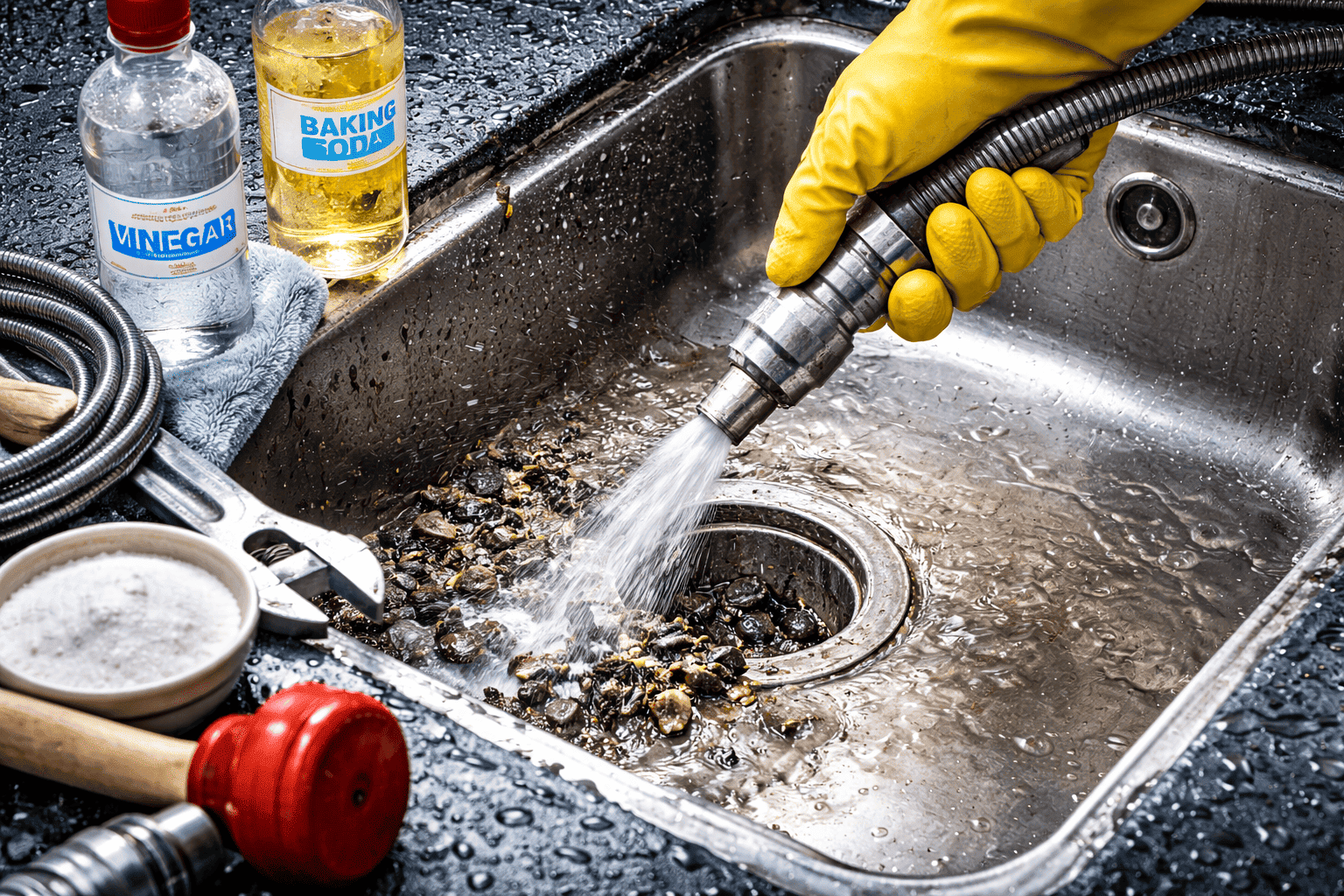
Natural cleaning solutions can help break down minor residue and refresh the inside of drain pipes. A common household method involves using baking soda followed by vinegar. When combined, these ingredients create a mild chemical reaction that can help loosen organic deposits and neutralise unpleasant smells. After allowing the mixture to sit briefly inside the drain, flushing the pipe with hot water helps carry away the loosened debris.
Install Drain Strainers
Drain strainers are a simple but highly effective way to prevent unwanted materials from entering the drainage system. These small devices sit over the drain opening and capture debris such as hair, food scraps and other particles before they can travel further into the pipes. By stopping these materials at the surface, strainers significantly reduce the amount of waste that accumulates inside the pipework.
Clean Plugholes and Drain Covers
Keeping plugholes and drain covers clean is another important part of routine maintenance. Over time, visible debris can gather around these areas and gradually work its way deeper into the pipe. Regularly removing and cleaning drain covers helps eliminate trapped hair, soap residue and food particles. This simple step also allows you to check for early signs of build up before they develop into larger obstructions.
Avoid Pouring Grease Down the Sink
Grease is one of the most common contributors to household drain blockages. When fats, oils and grease enter the pipes, they may appear liquid at first, but they quickly cool and solidify inside the drainage system. Once hardened, these substances can cling to pipe walls and trap additional debris passing through the drain. Instead of disposing of grease in the sink, it is better to allow it to cool and discard it with household waste. This small habit can significantly reduce the risk of stubborn kitchen drain blockages.
Step-by-Step Methods for Cleaning Household Drains
Household drains in kitchens and bathrooms handle different types of waste, so cleaning methods may vary depending on the location and the nature of the blockage. Grease deposits are more common in kitchen pipework, while bathroom drains usually suffer from hair and soap residue. In some situations debris may settle deeper in the pipe and require simple tools to remove it. Following a clear step by step approach can help restore water flow and keep the drainage system working properly.
A typical drain cleaning process may include the following steps:
- remove any visible debris from the plughole, drain cover or sink strainer
- pour hot water slowly into the drain to help soften grease, soap residue and other light deposits inside the pipe
- add a small amount of washing up liquid to help break down grease build up in kitchen drains
- for bathroom drains, remove trapped hair or soap residue using a simple drain cleaning tool
- flush the pipe again with hot water to carry loosened debris further through the drainage system
- if water still drains slowly, use a plunger to create pressure and help dislodge the obstruction
- for deeper blockages, insert a drain snake or auger carefully into the pipe and rotate it to catch or break apart the debris
- withdraw the tool and run water through the drain to confirm that normal flow has been restored
These straightforward steps can often resolve minor blockages and help maintain efficient drainage throughout the home. Regular cleaning also prevents residue from building up inside the pipework and reduces the risk of more serious plumbing issues developing over time.
Drain Cleaning Tools Every Homeowner Should Know
While many minor drainage issues can be resolved with simple cleaning habits, certain situations require basic tools to remove debris or dislodge obstructions. Having the right equipment available allows homeowners to deal with early stage blockages before they develop into more serious plumbing problems. Each tool serves a specific purpose depending on the location and type of obstruction within the drainage system.
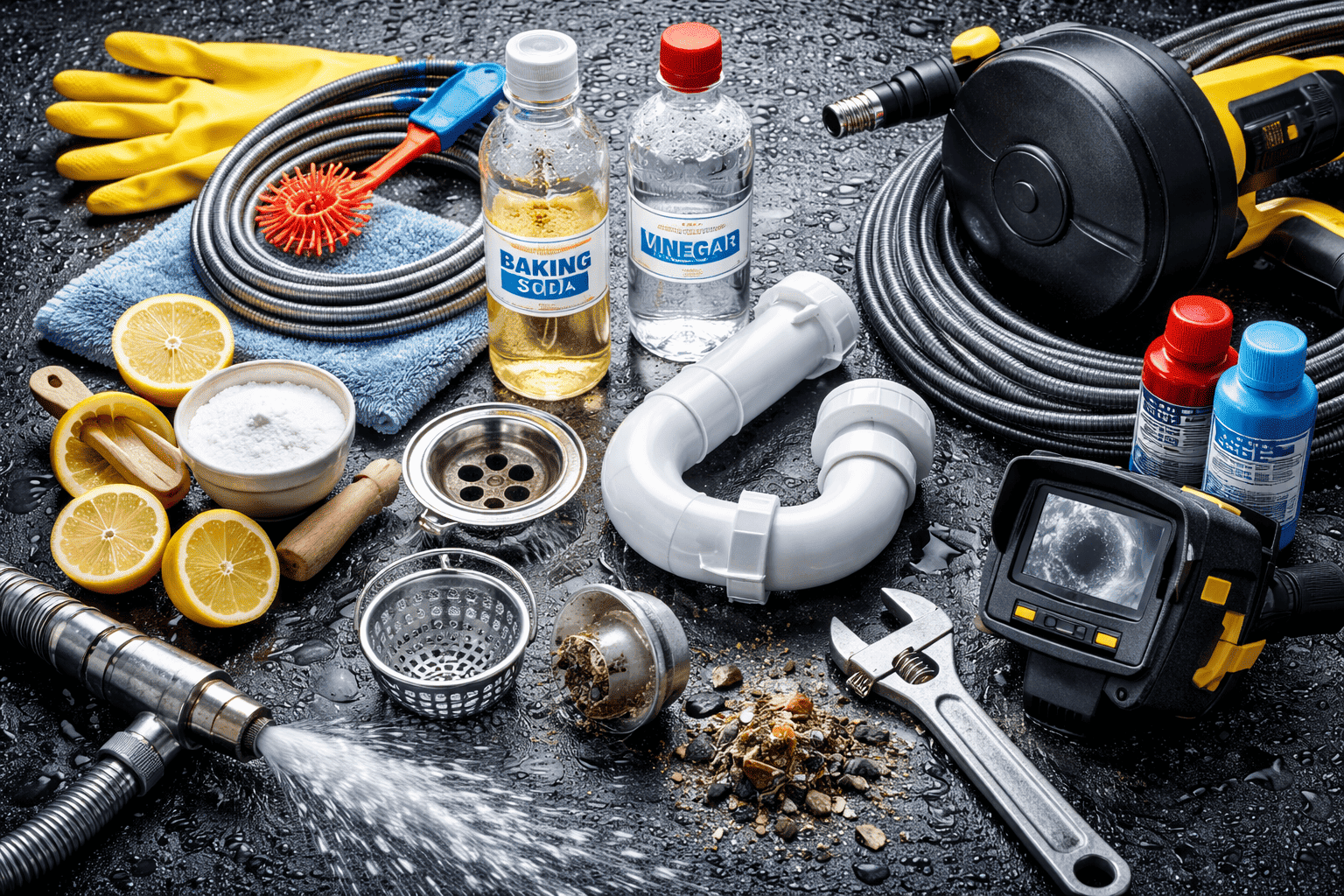
Several commonly used drain cleaning tools include:
- Plunger. A plunger is one of the simplest and most widely used tools for clearing blocked drains. It works by creating pressure within the pipe when pushed and pulled over the drain opening. This pressure can help loosen and move soft obstructions such as grease build up, soap residue or small debris. Plungers are particularly useful for sinks, bathtubs and toilets where blockages are located close to the drain opening.
- Barbed drain cleaning tool. A barbed drain cleaning tool is a thin plastic strip with small angled hooks along its length. These hooks are designed to catch and pull out hair and other fibrous debris trapped just inside bathroom drains. It is especially effective for clearing shower and bathtub drains where hair accumulation is a frequent cause of slow drainage.
- Drain snake or auger. A drain snake, sometimes called a plumbing auger, is a flexible metal cable that can travel deeper into the pipe. By rotating the cable, the tool can break apart or hook onto obstructions located further down the drainage line. Drain snakes are commonly used when blockages cannot be reached from the surface or when a plunger does not resolve the issue.
- Drain rods. Drain rods are longer rigid rods that connect together to extend their reach into external drainage systems. They are often used for outdoor drains, gullies and underground pipework where debris may accumulate at a greater distance from the drain opening. These rods can push through obstructions or help break up compacted debris.
- Biological drain cleaners. Biological drain cleaners contain natural bacteria or enzymes that break down organic matter inside pipes. Unlike harsh chemical cleaners, these products work gradually by digesting grease, soap residue and food waste. They are typically used for preventative maintenance or for treating minor build up rather than clearing severe blockages.
Understanding how and when to use these tools can help homeowners address common drainage problems safely and effectively. However, if blockages persist or multiple drains are affected, professional drainage services may be required to identify and resolve the underlying issue.
Warning Signs Your Drains Need Immediate Cleaning
Drainage systems often show early warning signs before a serious blockage develops. Recognising these symptoms can help property owners act quickly and prevent more significant plumbing problems. When debris begins to accumulate inside pipes, water flow may become restricted and air may become trapped within the drainage system. These changes often produce noticeable effects in sinks, showers or outdoor drains.
Ignoring these early indicators can allow the obstruction to grow larger over time. As residue continues to build up inside the pipework, water flow may slow further and the pressure within the system may increase. Acting at the first sign of trouble can help restore proper drainage and reduce the risk of more complicated repairs.
Some of the most common warning signs that your drains require immediate cleaning include:
- sinks or showers that drain slowly after normal use
- unpleasant smells coming from plugholes or drainage openings
- gurgling or bubbling noises within the pipes when water flows through them
- minor blockages that repeatedly occur in the same drain
- water collecting or pooling around outdoor drains or gullies
If these symptoms appear, it is usually a sign that debris has begun to accumulate inside the drainage system. Prompt cleaning can often resolve the issue before the blockage becomes severe and affects multiple areas of the property.
Comments from DrainBoss: In our experience, many drainage emergencies begin with small warning signs that are often ignored. Slow drainage or unusual smells usually indicate that debris is already accumulating inside the pipework. Addressing these early symptoms can prevent more serious blockages and reduce the likelihood of costly repairs later.
When DIY Drain Cleaning Is Not Enough
Although many minor drainage issues can be resolved with simple cleaning methods and basic tools, some problems indicate a more serious underlying issue within the drainage system. When blockages continue to return or affect multiple areas of a property, it may suggest that the obstruction lies deeper in the pipework or that structural damage has developed. In these situations, professional inspection and specialised equipment are often required to identify and resolve the cause effectively.
Drainage engineers have access to advanced diagnostic tools and powerful cleaning equipment that can reach areas of the system that are not accessible through standard household methods. Attempting to repeatedly clear a serious blockage without proper equipment can sometimes make the situation worse or even damage the pipework. Recognising when professional assistance is necessary can help prevent further complications and protect the integrity of your plumbing system.
Situations that usually require professional drainage services include:
- persistent blockages that return shortly after cleaning
several sinks, showers or toilets backing up at the same time - strong sewage smells coming from drains inside or outside the property
- drainage problems affecting outdoor gullies, manholes or surface drains
- suspected pipe damage or tree root intrusion within underground pipework
If any of these problems occur, a professional drainage specialist can inspect the system, locate the source of the obstruction and recommend the most effective solution. Early intervention often prevents more extensive damage and helps restore the drainage system to normal operation more quickly.
Comments from DrainBoss: While basic cleaning methods can resolve minor drainage issues, persistent blockages usually indicate a deeper problem within the system. Our engineers often find that recurring clogs are caused by grease build up, pipe damage or tree root intrusion. A professional inspection using modern equipment can quickly identify the cause and provide a long term solution.
Professional Drain Cleaning Methods Used by Experts
Professional drainage engineers use specialised equipment and proven techniques to remove stubborn blockages and restore proper water flow within the drainage system. While household tools can resolve many minor issues, professional methods are designed to address deeper obstructions, hardened deposits and hidden structural problems that cannot be reached through basic cleaning. These advanced solutions allow engineers to clean pipes more thoroughly and assess the overall condition of the drainage network.
Several modern technologies are commonly used by drainage specialists to diagnose and resolve drainage problems:
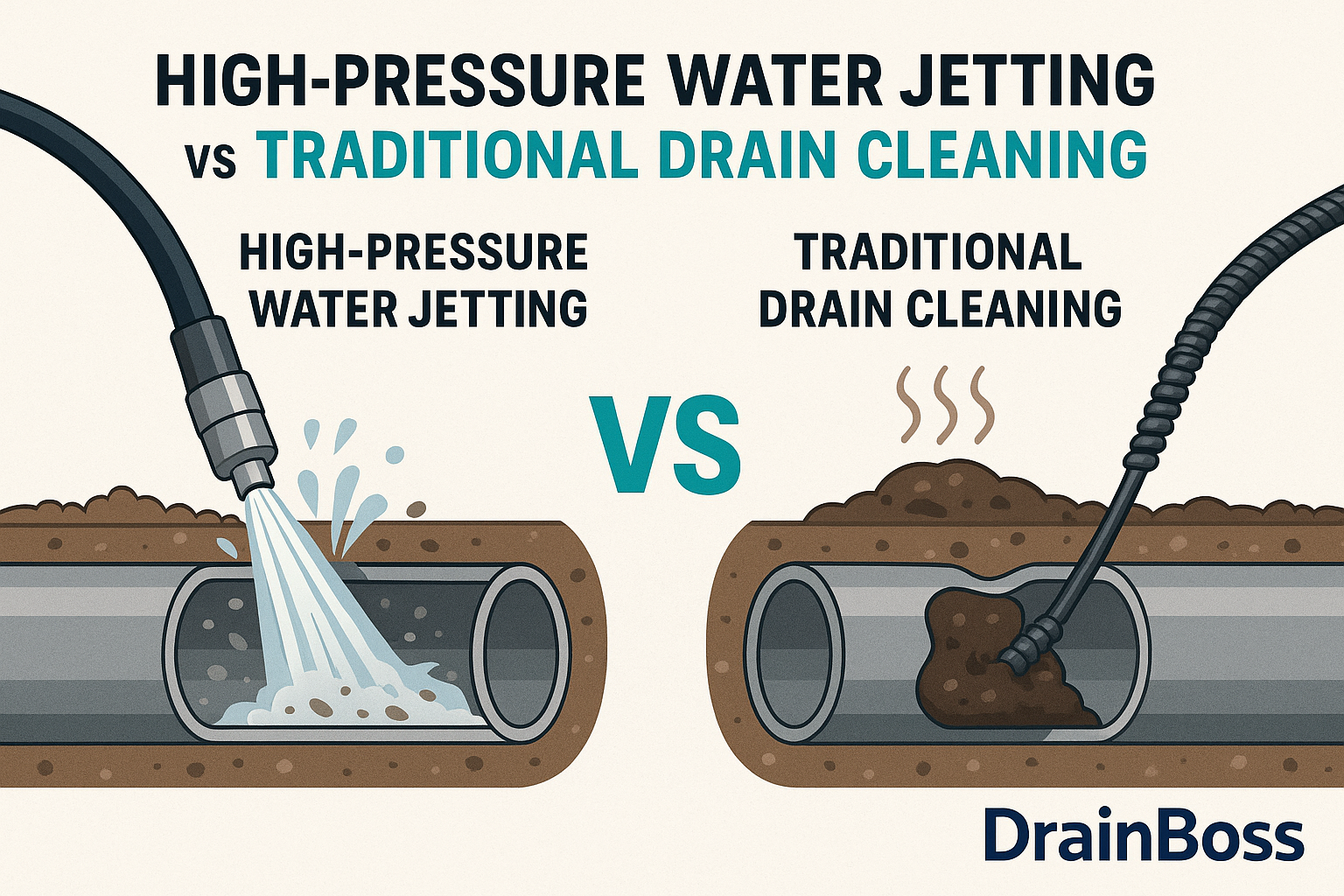
- High pressure water jetting. This method uses powerful streams of pressurised water to remove grease deposits, sludge, mineral residue and other stubborn build ups from the inside of pipes. The water jets travel through the pipework and effectively wash away accumulated debris, restoring the pipe to its full internal capacity.
- Mechanical drain rodding. Drain rods are strong, extendable tools that can be inserted into drainage systems to push through blockages or break apart compacted debris. They are particularly useful for clearing outdoor drains, gullies and underground pipe sections where physical obstructions have formed.
- CCTV drain inspections. Small waterproof cameras can be inserted into pipes to inspect the interior of the drainage system in real time. This technology allows engineers to locate hidden blockages, structural damage, cracks or root intrusion without excavation. CCTV inspections are often used to determine the exact cause of recurring drainage problems.
- Drain descaling and maintenance cleaning. Over time mineral deposits and hardened residue can build up along the inner surface of pipes. Professional descaling removes these deposits and restores smoother pipe surfaces, improving water flow and reducing the likelihood of future build up.
These professional methods provide several important advantages for maintaining a healthy drainage system. They allow for the thorough removal of stubborn debris that cannot be cleared with household tools. They also enable accurate diagnosis of hidden problems within the pipework. Most importantly, professional cleaning and inspection help prevent recurring blockages and support the long term reliability of the entire drainage system.
Our Services:
Preventative Drain Maintenance Tips for Long-Term Performance
Keeping a drainage system in good condition does not require complicated procedures, but it does require consistency. Preventative maintenance focuses on small routine habits that reduce the amount of debris entering the pipes and help remove residue before it can accumulate. By adopting a few practical maintenance practices, property owners can significantly lower the risk of blockages and extend the working life of their plumbing system.
Regular care also improves overall drainage performance and helps avoid the inconvenience of slow drains or unexpected plumbing issues. When maintenance becomes part of normal household routines, the drainage system continues to function efficiently without requiring frequent repairs or emergency interventions.
Some simple habits that support long term drainage performance include:
- flushing household drains with hot water on a weekly basis to help move light residue through the pipework
- cleaning sink strainers and drain covers regularly to remove trapped debris
- disposing of grease, fats and food waste in household bins rather than washing them down the sink
- arranging professional drain maintenance and inspection periodically to keep the system in optimal condition
- checking outdoor drains and gullies after heavy rain or storms to ensure they are not obstructed by leaves or debris
Following these preventative practices helps keep the drainage system clear and reduces the likelihood of serious blockages developing in the future. Consistent maintenance is one of the most effective ways to ensure that your drains continue to operate reliably for many years.
Professional Drain Cleaning Services from DrainBoss
While routine maintenance and basic cleaning methods can help prevent many drainage issues, some problems require the expertise of experienced drainage engineers. DrainBoss Plumbing and Drainage is a family run company with more than two decades of experience providing reliable drainage solutions across Sussex, Surrey, Hampshire, Kent, Brighton and South London. Our fully trained engineers use modern equipment and proven techniques to diagnose and resolve drainage problems quickly and efficiently. From stubborn blockages and unpleasant drain smells to complex drainage faults, our team provides professional services for both residential and commercial properties. With specialist tools such as high pressure water jetting equipment and advanced CCTV inspection systems, we can accurately locate the source of the problem and restore proper flow within your drainage system.
DrainBoss operates a 24 hour emergency helpline and offers fast local response times through a network of experienced technicians across our service areas. We never charge call out fees and provide clear pricing before work begins, ensuring complete transparency for every customer. Whether you need emergency drain unblocking, drain repair, CCTV drain surveys or preventative maintenance, our specialists are fully equipped to handle any drainage challenge with minimal disruption to your property. If your drains are slow, blocked or producing unpleasant odours, the DrainBoss team can quickly identify the cause and restore your drainage system to full working order.
Drain Cleaning Tips FAQ
How often should household drains be cleaned?
Most household drains benefit from regular light maintenance combined with occasional deeper cleaning. Simple preventative actions such as flushing drains with hot water and clearing visible debris can be done weekly. Monthly treatments using natural cleaning solutions can help reduce build up inside the pipes. In addition, professional drain maintenance once a year helps ensure that deeper sections of the drainage system remain clear and in good condition.
What is the safest way to clean drains at home?
The safest way to clean drains at home is to use gentle methods that do not damage pipes or plumbing components. Hot water flushing, removing visible debris and using natural solutions such as baking soda and vinegar are common approaches for light maintenance. These methods help loosen minor residue without introducing harsh chemicals into the drainage system. If a blockage cannot be cleared easily, it is usually better to seek professional assistance rather than using aggressive chemical cleaners.
What causes most household drain blockages?
Most drain blockages are caused by everyday waste that gradually accumulates inside pipes. Hair, soap residue, grease, food scraps and non flushable items are among the most common sources of obstruction. These materials can cling to pipe walls and combine with other debris, eventually restricting water flow. Outdoor drains may also become blocked by leaves, soil or roots entering the underground pipework.
When should you call a professional drainage specialist?
A professional drainage specialist should be contacted when basic cleaning methods no longer resolve the problem. Persistent blockages, strong sewage smells or multiple drains backing up at the same time often indicate a deeper issue in the drainage system. Structural problems such as cracked pipes or root intrusion may also require specialist equipment to diagnose. Professional engineers can inspect the pipework and apply the most effective solution using advanced tools.
Can regular drain cleaning help prevent expensive repairs?
Yes, regular drain cleaning plays an important role in preventing more serious drainage problems. Removing debris before it accumulates inside the pipes helps maintain proper water flow and reduces pressure within the drainage system. This lowers the risk of severe blockages, pipe damage and unpleasant odours developing over time. Preventative maintenance is usually far more cost effective than repairing major drainage faults later.




2 responses
★★★★★
The part about grease building up over time is something a lot of people probably underestimate. It’s easy to think hot water alone solves it, but clearly it still accumulates gradually. Makes sense why kitchen drains tend to have more issues than others.
★★★★★
Interesting how many problems start with small warning signs like slow drainage or smells. Most people ignore those until it becomes a bigger issue. The routine cleaning approach seems simple enough, but probably not something everyone sticks to consistently.